
NITN | @notintownlive | 22 Feb 2026, 09:35 am
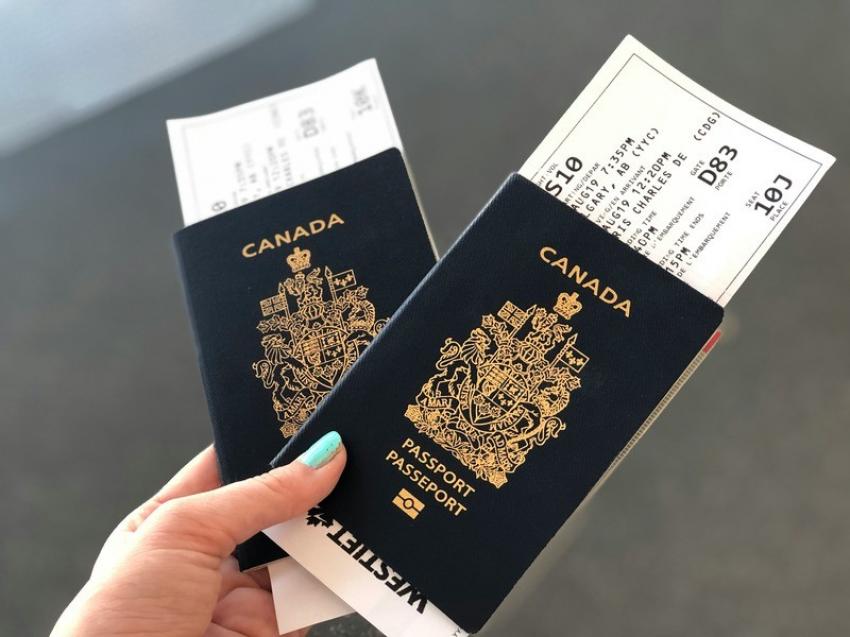 Canada Travel
Photo: Jaimie Harmsen/Unsplash
Canada has updated its travel advisory for the United States, urging First Nations individuals to carry a valid passport in addition to their Secure Certificate of Indian Status when crossing the Canada-U.S. border by land or water, as reported by CTV News.
This shift addresses U.S. border officials' increasing discretion in accepting status cards and recent detention incidents, as noted by Global News on February 19, 2026.
Previously, official guidance allowed First Nations people to enter the U.S. freely for work, study, or residency under the Jay Treaty of 1794, quoted by Indigenous Services Canada (ISC) in their advisory.
The revised notice warns that status cards' acceptance is "entirely at the discretion of U.S. authorities" and that they are invalid for air travel, as reported by CBC News on February 20, 2026.
ISC now "strongly recommends also carrying a valid passport," as quoted in the federal update.
Reports of U.S. Immigration and Customs Enforcement (ICE) confiscating or damaging status cards, including cases involving Oglala Sioux Tribe members, prompted the change, detailed by Global News.
Assembly of First Nations National Chief Cindy Woodhouse Nepinak echoed the advisory after an ICE encounter with a First Nations traveller, reported by Global News.
Grand Chief Cody Diabo of the Mohawk Council of Kahnawake criticised it, arguing Canada should uphold Jay Treaty rights under U.S. Immigration Act Section 289 instead of mandating passports, quoted by CTV News.
Communities including Blood Tribe, Mississauga First Nation, Six Nations of the Grand River, and Garden River First Nation issued parallel alerts, recommending birth certificates, lineage letters, or blood quantum proof, as reported by multiple outlets including Unpublished.ca on February 19, 2026.
U.S. requirements for proving "Indian blood" quantum add hurdles, while the Jay Treaty Border Alliance advises layered documentation for smoother crossings, noted by CTV News.
These warnings underscore tensions in Indigenous cross-border rights amid stricter U.S. enforcement, urging travellers to consult Government of Canada sites, as posted on their official Facebook page on February 20, 2026.
- Couldn't Board Your Train? Indian Railways' New Move Comes to Rescue
- Vande Bharat food horror: Insect found in meal, passenger's X post goes viral
- Scan, Pay, Go! A Foreigner’s Take on India’s Digital Payments Boom
- Centre puts on hold 60% free airline seat rule after industry pushback
- Major Change in US Visa Rules: Social Media Accounts Now Under Scanner
- Tourist Visa Costs for Indians in 2026: What Travellers Should Know
- ‘Big boost for NCR connectivity’: PM Modi to inaugurate Noida International Airport Phase 1 tomorrow
- Petals and Pillars – Mullick Ghat Photo Walk in Kolkata: Book Your Spot to Explore the City’s Flower Market and Riverfront
- India nominates Meghalaya's Living Root Bridges for UNESCO World Heritage status
- Cabinet approves extension of IVFRT scheme till 2031. Why does it impact you?

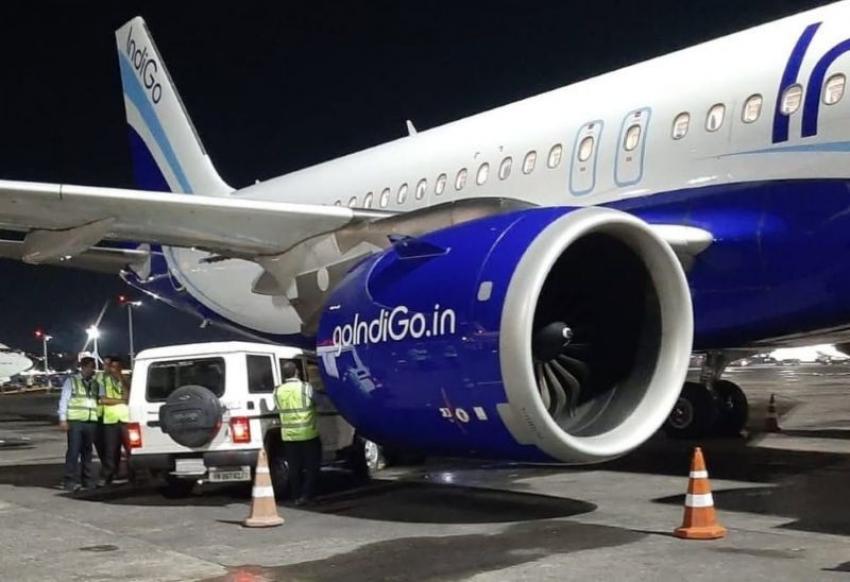
A ground handling mishap at Netaji Subhas Chandra Bose International Airport on Tuesday evening saw a catering vehicle crash into an IndiGo aircraft, forcing the plane to be grounded and raising safety concerns, media reports said.
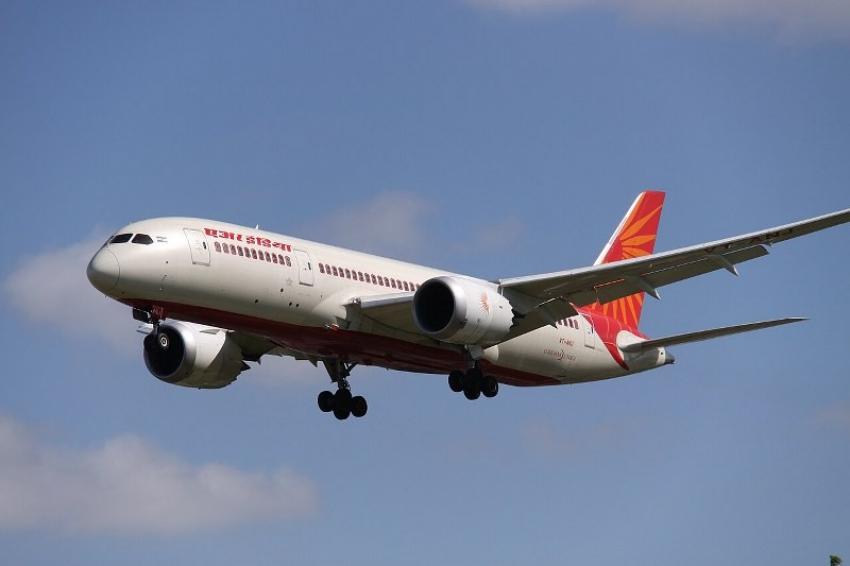
Tata Group-owned Air India has announced Halwara (Ludhiana) as its newest destination in India, enhancing access for travellers from the industrial heartland of Punjab to Delhi and beyond to destinations around the world.
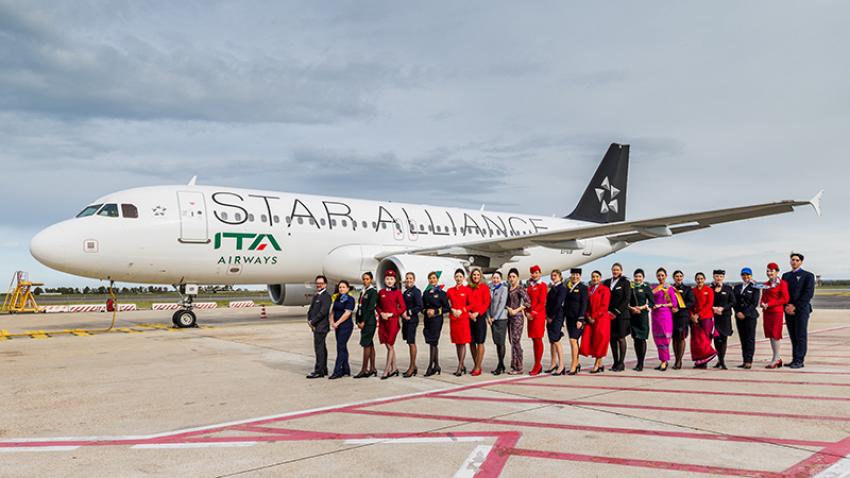
Star Alliance has officially welcomed ITA Airways as its newest member, marking the completion of the Italian carrier’s integration into the world’s largest airline alliance.