
NITN | @notintownlive | 10 Apr 2026, 05:55 am
 Travel Insurance
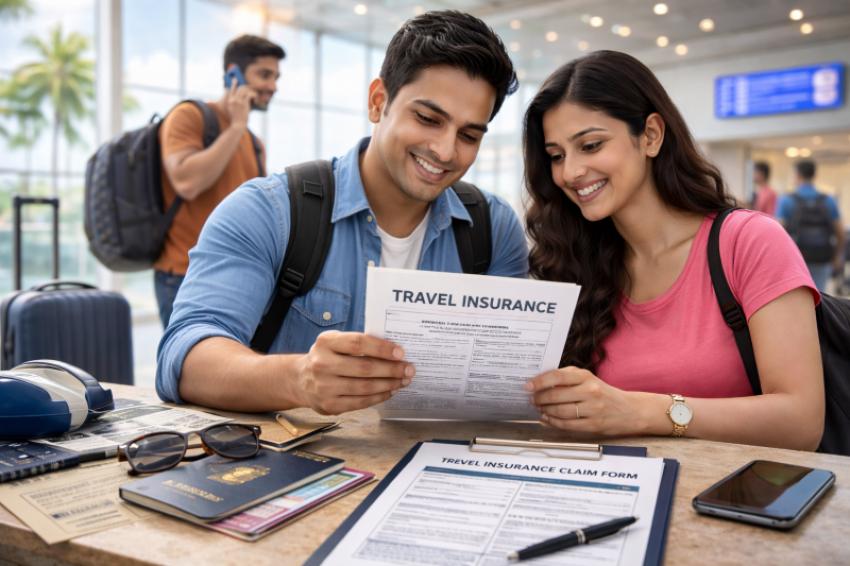
Reviewing travel insurance fine print today can save Indian tourists from costly surprises abroad. Photo: generated by ChatGPT.
Most Indian travellers often treat travel insurance as a formality—something that is required mainly for visa applications. However, its role goes far beyond ticking a checkbox. When used correctly, insurance can protect travellers from significant financial losses during international trips.
But simply buying a policy is not enough. The coverage works effectively only when travellers understand how it functions, including what is covered, what is not, and the conditions attached to claims. Without knowing the rules, even insured travellers may find themselves facing large expenses abroad.
This becomes particularly important for Indians travelling to destinations such as Schengen countries, the UK, the US, and even Southeast Asia, where a single hospital visit can result in expenses running into lakhs.
Why Understanding Your Policy Is Crucial
Many travellers assume that having insurance automatically guarantees reimbursement in case of an emergency. However, claims are subject to strict conditions, and overlooking these can lead to rejection.
If a traveller purchases insurance without understanding the reasons for claim rejection, the financial impact can be significant despite being insured.
Common Reasons for Travel Insurance Claim Rejections
1. Pre-existing conditions not declared
One of the most common reasons for claim rejection is the non-disclosure of existing medical conditions.
- Conditions such as diabetes, blood pressure, thyroid, asthma, or recent surgeries must be declared
- Even if the condition seems minor, failing to disclose it can lead to claim rejection
For example, if a traveller faints in Europe due to a sugar drop but had not declared diabetes while purchasing the policy, the claim may be rejected.
- Always declare existing conditions honestly
- If required, opt for a slightly higher premium for coverage
Paying a little extra upfront is often far better than facing hospital bills worth lakhs abroad.
2. Buying insurance after the problem starts
Travel insurance is designed to cover unforeseen events, not situations that have already occurred.
- If a traveller falls sick and then immediately buys insurance to claim expenses, insurers can verify timestamps
- Such claims are not entertained
For example, falling ill in Thailand and purchasing insurance online afterwards will not qualify for reimbursement.
- It is advisable to buy insurance at least 1–2 days before departure
- Ideally, purchase it on the same day as booking flight tickets
3. Missing documentation
Proper documentation is essential for any successful insurance claim.
- No discharge summary, no police report, or no bills can result in rejection
For instance, if a traveller’s bag is stolen in Paris but no police complaint is filed, the insurer may refuse to reimburse a ₹70,000 laptop.
- Always collect and preserve all necessary documents
- File official reports wherever required
4. Not informing the insurer on time
Most insurance policies require travellers to inform the insurer within a specific timeframe during major incidents.
- For hospitalisations, insurers typically need to be informed within 24 hours
- Delayed intimation can lead to reduced or rejected claims
For example, if someone is hospitalised in Dubai but informs the insurer after three days, the claim may not be fully accepted.
- Save the insurer’s emergency contact number before travelling
- Inform them immediately in case of hospitalisation
5. Ignoring exclusions in the fine print
One of the most critical aspects of travel insurance is understanding what is not covered.
Common exclusions often include:
- Adventure sports
- Alcohol-related injuries
- Self-inflicted injuries
- High-risk activities
For example, if a traveller goes scuba diving in Bali without appropriate add-on coverage and gets injured, the claim may be rejected.
- Always check exclusions carefully
- If you are planning activities like skiing, scuba diving, or renting bikes abroad, make sure to verify coverage
- If not covered, consider buying an add-on from the activity organiser on the spot
What This Means for Indian Travellers
Travel insurance can offer strong financial protection, but only when used correctly. Understanding policy terms, declaring accurate information, and following claim procedures are essential to ensure that coverage actually works when needed.
A small oversight—whether in disclosure, timing, or documentation—can lead to claim rejection and significant out-of-pocket expenses for Indians during international travel.
- Tatkal Ticket Booking Gets an Upgrade with IRCTC's New Website: What Indian Travellers Need to Know
- 30 Days, No Visa: Thailand Continues Visa-Free Entry for Indians With New Limit
- Jordan Keeps Airspace Open Amid Regional Tensions, Budget Airlines to Resume Flights in October
- Travel Smarter: The CityPASS Hack That Saves Money and Time Across the US and Toronto
- Indian traveller visits Sri Lanka for 7 days—What she discovered surprised her
- You Don't Need Internet Abroad to Use Google Maps. Here's How
- Abu Dhabi to Fujairah in Less Time as UAE Rolls Out First Passenger Train
- Going to Greece Soon? Don't Miss This Big Payment Update
- Rajasthan Forum Seeks Dedicated Tourism Desk to Boost Bengal-Rajasthan Travel Ties
- Headling for Kailash Mansarovar Yatra? Indian Government Issues Key Warning for Pilgrims


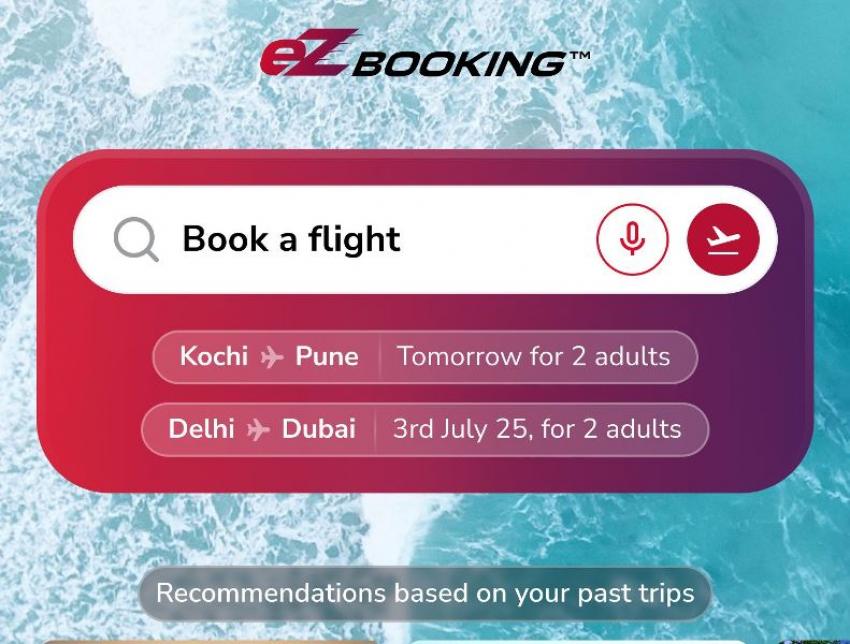
Tata Group-owned Air India has rolled out a major upgrade to its award-winning mobile app, introducing a host of new features aimed at making travel more seamless, convenient and personalised.
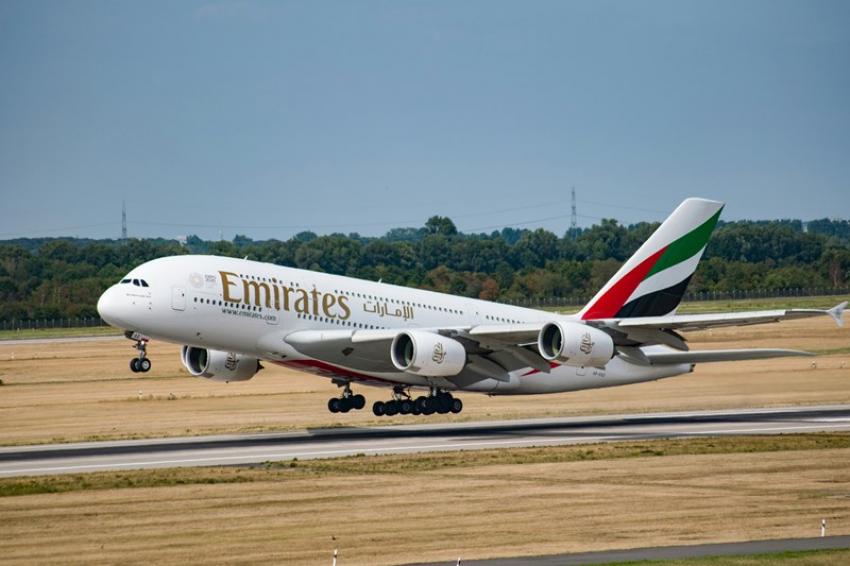
Airlines major Emirates is introducing a third daily flight between Dubai and Phuket, operated by its new Airbus A350, offering travellers greater choice and extending its award-winning Premium Economy experience in Thailand.
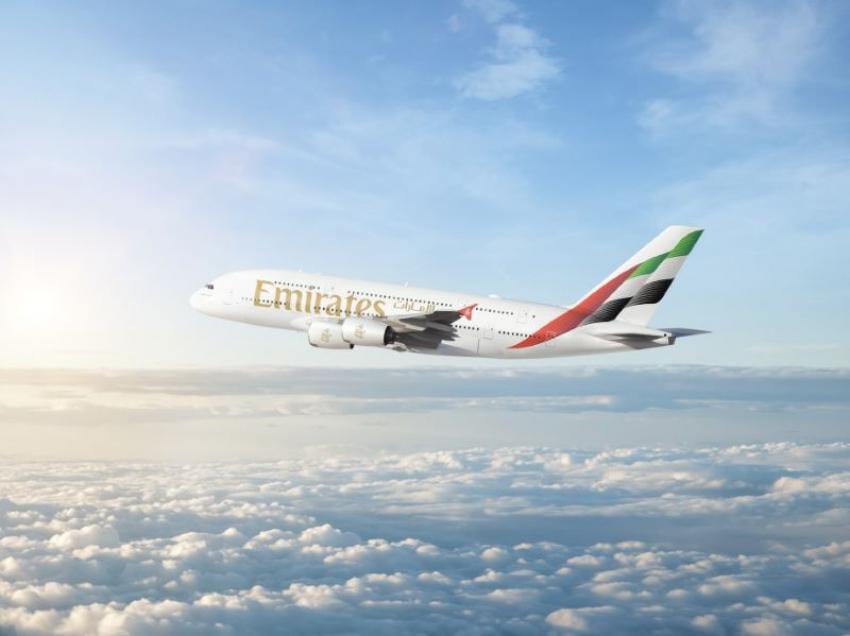
Emirates will deploy its flagship Airbus A380 on the Delhi–Dubai route from October 25, making Delhi the third destination in India to be served by the airline's double-decker aircraft.