
NITN | @notintownlive | 17 Jun 2026, 10:55 am
 Airports
Photo: Screengrab from Narendra Modi's X page.
India's aviation infrastructure has earned a place in the global design spotlight, with Navi Mumbai International Airport and Terminal 2 of Guwahati's Lokapriya Gopinath Bordoloi International Airport, both operated by Adani Airport Holdings Limited (AAHL), being named among the Prix Versailles World's Most Beautiful Airports 2026.
The annual list recognises airport projects that successfully combine architectural excellence with sustainability and passenger experience, placing the two Indian facilities alongside acclaimed airports in China, Germany, Cambodia and the United States.
The recognition comes at a time when airports are increasingly being viewed as more than transit points. Around the world, they are evolving into cultural landmarks that reflect the identity, aspirations and values of the regions they serve.
What is Prix Versailles?
Established in 2015, Prix Versailles is a global architecture and design award presented annually at UNESCO Headquarters in Paris. The awards celebrate contemporary projects across categories such as airports, museums, hotels, restaurants, campuses and passenger stations, highlighting spaces that go beyond aesthetics to create meaningful human experiences.
In the airport category, the jury evaluates how effectively a project balances architectural innovation with functionality, environmental responsibility, and cultural expression. The organisation promotes what it describes as "intelligent sustainability" — an approach that sees culture and design as integral to creating spaces that are both environmentally conscious and socially relevant. From the list of airports selected each year, three projects later go on to receive special World Titles recognising their interior, exterior or overall excellence.
Navi Mumbai: A modern gateway inspired by the lotus
Navi Mumbai International Airport's Terminal 1 earned recognition for translating a distinctly Indian motif into a contemporary aviation landmark. Inspired by the lotus flower, the terminal's design combines sweeping forms and fluid spaces with advanced technology and operational efficiency. According to Prix Versailles, the project stood out for the way it integrates architecture, art and functionality rather than treating them as separate elements.
Beyond its visual appeal, the design focuses on creating an intuitive passenger journey. Spacious interiors, efficient movement through the terminal and the integration of technology are intended to make the travel experience seamless. The recognition reflects how the upcoming airport seeks to present India as a confident, future-ready economy while delivering an infrastructure experience that is both practical and memorable.
Guwahati: Celebrating the spirit of Northeast India
Terminal 2 of Lokapriya Gopinath Bordoloi International Airport was recognised for embedding the culture and ecology of Northeast India into its architectural identity. Situated at a strategic crossroads between South and Southeast Asia, the airport serves as a gateway to a region known for its extraordinary biodiversity and indigenous traditions. Its design draws inspiration from the Bamboo Orchid, using biophilic principles to blur the boundaries between built space and nature.
 Terminal 2 of Guwahati International Airport. Photo: Screengrab from Narendra Modi's X page.
The terminal's sustainable envelope, use of natural elements, and emphasis on daylight seek to create a calming environment for travellers while reducing environmental impact. Rather than relying solely on a generic international aesthetic, the project tells a regional story through design. It was this ability to combine cultural authenticity with contemporary functionality that helped Guwahati secure a place on the prestigious global list.
“We are honoured to see our airports recognised on a global platform and remain committed to delivering world-class experiences that position India among the leading aviation markets of the world. The recognition of both NMIA and Guwahati Airport by Prix Versailles validates our focus on developing infrastructures which are at par with the best in architectural excellence with functionality, sustainability and operational efficiency,” a spokesperson of Adani Airport Holdings Ltd. said.
Apart from the two Indian entries, the 2026 list also featured Guangzhou Baiyun International Airport in China, Frankfurt Airport in Germany, Techo International Airport in Cambodia, Pittsburgh International Airport and San Diego International Airport in the United States.
For India, the inclusion of Navi Mumbai and Guwahati signals a broader shift in how airport infrastructure is being imagined and evaluated. Having two projects featured on the 2026 list underscores the growing international recognition of its ambitions to build airports that are not only functional gateways, but destinations in their own right.
- Kinnaur Kailash Yatra 2026 scheduled for July 30, pilgrim registration to open soon with key guidelines
- Living in Dubai? Invite Your Loved Ones and Enjoy Benefits Worth Over AED 3,000
- For the first time, South City Mall steps from spectator to participant in Kolkata's Durga Puja tradition
- Tatkal Ticket Booking Gets an Upgrade with IRCTC's New Website: What Indian Travellers Need to Know
- 30 Days, No Visa: Thailand Continues Visa-Free Entry for Indians With New Limit
- Jordan Keeps Airspace Open Amid Regional Tensions, Budget Airlines to Resume Flights in October
- Travel Smarter: The CityPASS Hack That Saves Money and Time Across the US and Toronto
- Indian traveller visits Sri Lanka for 7 days—What she discovered surprised her
- You Don't Need Internet Abroad to Use Google Maps. Here's How
- Abu Dhabi to Fujairah in Less Time as UAE Rolls Out First Passenger Train


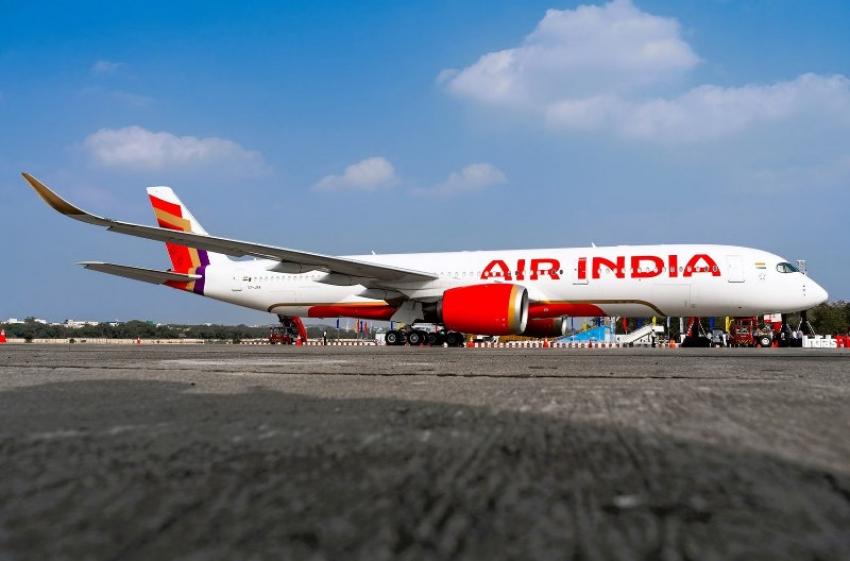
Tata Group-owned Air India and the Ministry of Tourism (MoT), Government of India, have signed a Memorandum of Understanding (MoU) to jointly promote India as a premier global tourism destination and strengthening India’s position as a key aviation and transit hub.
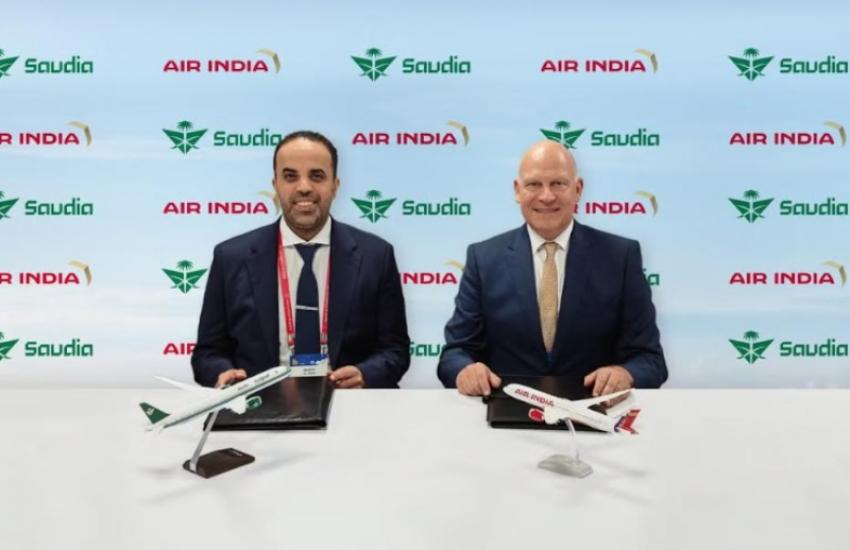
Tata-owned Air India, India’s leading global airline, and Saudia, the national flag carrier of Saudi Arabia, have signed a Memorandum of Understanding (MoU) to expand strategic cooperation between the two airlines.

JFK Millennium Partners (JMP), the company selected by the Port Authority of New York & New Jersey to build and operate John F. Kennedy International Airport’s new world-class Terminal 6 (JFK T6), and Air India on Tueday announced that the airline has chosen T6 for its operations beginning in 2028.