
NITN | @notintownlive | 01 Oct 2026, 11:52 pm
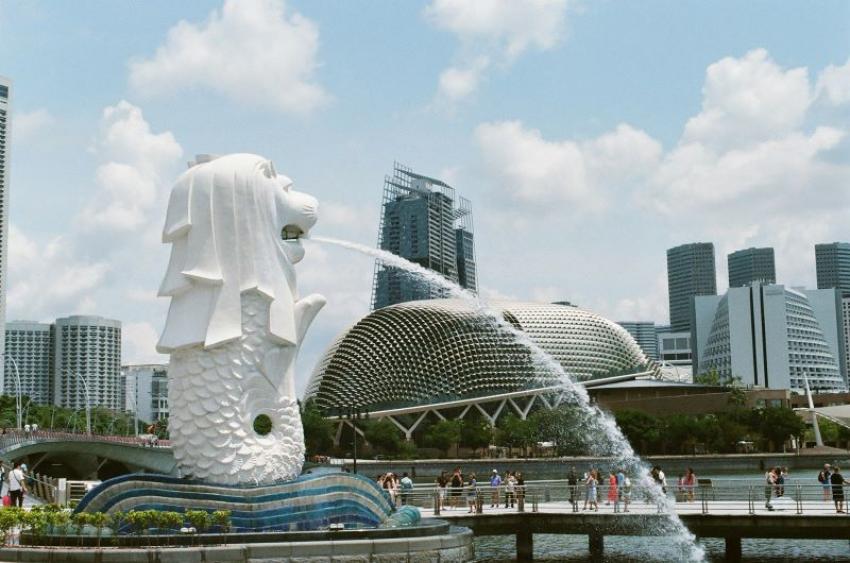 Singapore
. Photo: Unsplash
Travellers using Singapore’s public buses now need to be more mindful of their behaviour, with new regulations targeting nuisance and disruptive conduct that took effect on September 23.
The rules allow offenders to face fines of up to SGD 500 (around USD 390) for actions including playing audio loudly, putting feet on seats, littering, and eating or drinking on public buses. The regulations also apply at bus interchanges and terminals.
More serious offences carry much higher penalties of up to SGD 5,000. These include causing an obstruction or danger to other commuters at a bus interchange or terminal, or soiling any part of a public bus, interchange or terminal. The penalties bring the rules for buses broadly in line with existing regulations covering Singapore’s rail network.
The new rules were introduced under two regulations covering public buses and bus interchanges and terminals. Singapore’s Land Transport Authority (LTA) said the aim is to create a safer and more pleasant public transport environment and reduce behaviour that inconveniences other passengers.
How the rules will be enforced
The changes follow amendments passed by Parliament in October 2025, which gave authorities greater powers to regulate commuter conduct on buses.
Bus drivers will not issue the formal offence notifications themselves. Instead, authorised staff from Singapore’s public bus operators, including ticket inspectors and staff at bus interchanges, can issue administrative notifications to passengers suspected of committing an offence. The LTA will then investigate the case. Drivers can still ask passengers to stop disruptive behaviour and require them to leave the bus if they fail to comply. In serious cases, they can seek assistance from the bus operations control centre or the police.
For tourists, the rules are worth knowing because buses are an important part of getting around Singapore, alongside the MRT, the city's metro rail network. Visitors should therefore avoid playing music or videos aloud, putting their feet on seats, littering or eating and drinking onboard.
The LTA has also said enforcement will involve discretion and fairness, particularly in cases involving passengers with physical or mental health conditions.
- Emirates expands in Japan with new Travel Store in Tokyo and additional Narita flights
- IndiGo passengers get a surprise at 30,000 feet: Here's what they were asked to do
- Riyadh Airport shut until October 17 after deadly Houthi attacks
- Navi Mumbai Airport’s aviation push: TajSATS facility ready to handle rising passenger demand
- Malaysia stays visa-free for Indians through 2026, but entry rules still apply
- Singapore introduces tougher penalties for disruptive behaviour on public transport
- Etihad Rail launches passenger service between Dubai and Abu Dhabi
- New Zealand moves most visitor visa applications to enhanced online system
- Indian passport rules changed: New validity, fees for children and adults explained
- Azerbaijan makes F1 travel easier for Indian fans with visa on arrival



Air India will launch non-stop flights between Delhi and Osaka’s Kansai International Airport on 2 February 2027, becoming the only airline to operate on the route. The airline will run four flights a week between the Indian capital and Osaka, Japan’s second-largest metropolitan area, using Boeing 787-8 aircraft.

IndiGo will introduce daily non-stop flights to Udaipur from Noida International Airport and Navi Mumbai International Airport, starting October 25 and November 15, 2026 respectively.
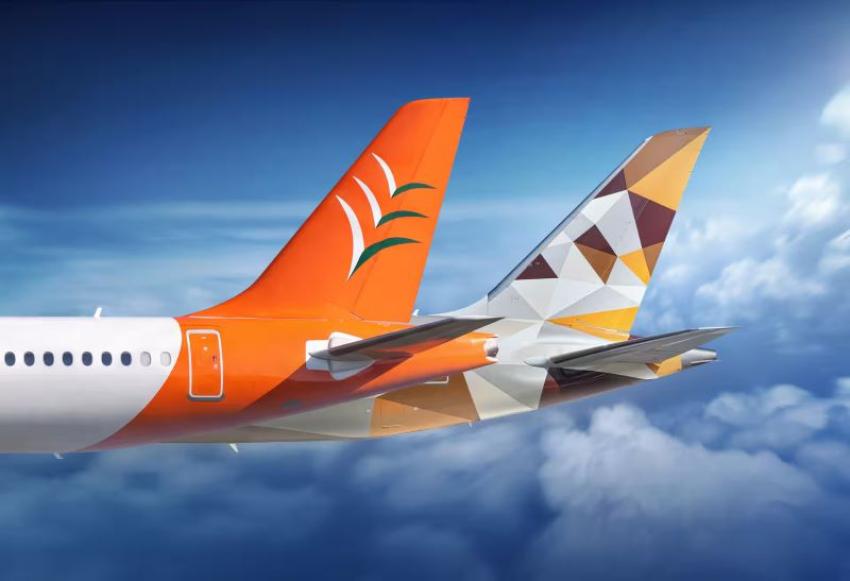
Etihad Airways and Nigerian carrier Ibom Air have signed an interline agreement that will allow passengers travelling with Etihad to connect beyond Lagos and Accra to five cities in Nigeria on a single ticket.