
NITN | @notintownlive | 06 Oct 2026, 07:55 am
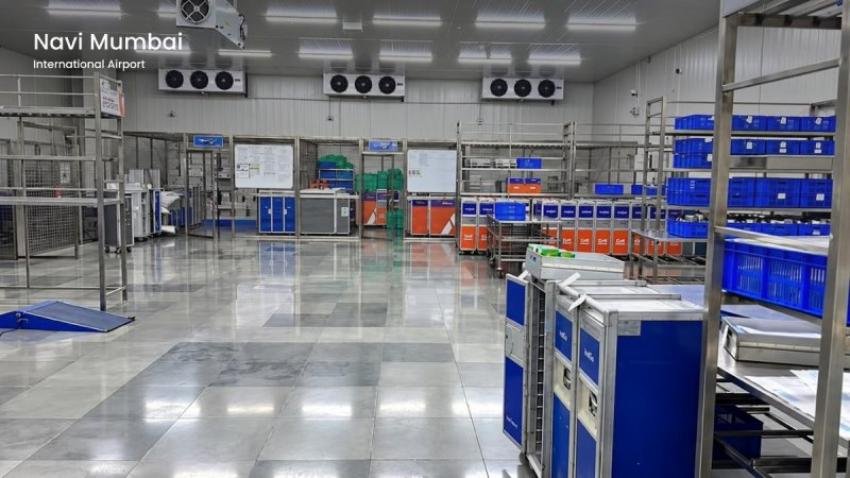 Navi Mumbai
 International Airport. Photo: Navi Mumbai International Airport/X
Navi Mumbai International Airport (NMIA) is expanding its airline network ahead of the Winter Schedule 2026–27, which runs from October 25, 2026, to March 27, 2027. Its dedicated flight kitchen, operated by TajSATS, one of India’s leading aviation catering companies, is equipped to support the growing requirements of domestic and international carriers.
Located within the airport precinct, the facility currently serves more than 40 departing flights a day and has the capacity to produce up to 7,500 meals daily. This can be scaled up to 15,000 meals a day as flight movements and passenger volumes increase.
Subhash Murikenchery, Chief Airport Officer, Navi Mumbai International Airport, said the supporting infrastructure needed to grow alongside the airport’s expanding airline network.
“As NMIA expands its airline network, it is important that our supporting infrastructure grows with it. The TajSATS flight kitchen gives airlines the flexibility to meet rising demand and enhances the culinary experience for passengers,” he said.
The facility combines scalable production infrastructure, modern refrigeration systems and streamlined processes to respond to changes in airline schedules and demand. Its location within the airport precinct also enables efficient delivery of meals to departing aircraft.
For international carriers operating to and from India, the facility provides local meal-uplift capabilities, giving airlines an additional option to manage catering requirements closer to their point of departure.
Around 40 per cent of international carriers operating from India rely on back catering from their own flight kitchens. NMIA’s inflight catering infrastructure has been developed to support this requirement, alongside the catering needs of domestic airlines.
Built for Scale
The TajSATS facility provides airlines with:
- Production capacity of 7,500 meals a day, scalable to 15,000 meals.
- Catering support for domestic and international airlines.
- Local meal-uplift capabilities for international carriers.
- A strategic location within the airport precinct for efficient aircraft servicing.
- Catering for diverse dietary requirements, including special meals, allergen-sensitive menus and halal meals.
- Modern refrigeration and production systems to maintain quality and consistency.
Focus on Quality and Safety
The facility follows stringent food safety and quality standards, including Hazard Analysis and Critical Control Points (HACCP), International Organization for Standardization (ISO) 22000 and Food Safety and Standards Authority of India (FSSAI) requirements.
Comprehensive quality-control processes cover food preparation, handling, storage and dispatch, helping ensure that meals supplied to airlines meet consistent standards of hygiene, freshness and quality.
TajSATS, which has more than four decades of experience in aviation catering, also operates the flight kitchen at Mumbai’s Chhatrapati Shivaji Maharaj International Airport (CSMIA).
With the flight kitchen already operational and designed to scale with demand, NMIA is equipped to support the next phase of airline connectivity and passenger growth.
NMIA’s state-of-the-art TajSATS flight kitchen is actively powering this ecosystem. Currently serving 40+ flights daily, this state-of-the-art facility is designed to scale from 7,500 to 15,000 meals a day as airline operations grow. With specialised catering, local meal uplift for international carriers, and world-class food safety standards, this new facility is ready to support the next chapter of connectivity through Navi Mumbai. Enabling airlines. Enhancing passenger journeys. Building for growth. #NMIA #AirportEcosystem #AirlineOperations #PassengerExperience #Aviation
— Navi Mumbai International Airport (@navimumairport) October 6, 2026
- Europe ends Schengen passport stamps, switches to digital border records
- Kayaking, canoeing and water taxis bring new experiences to Kerala’s historic Muziris region
- Emirates expands in Japan with new Travel Store in Tokyo and additional Narita flights
- IndiGo passengers get a surprise at 30,000 feet: Here's what they were asked to do
- Riyadh Airport shut until October 17 after deadly Houthi attacks
- Navi Mumbai Airport’s aviation push: TajSATS facility ready to handle rising passenger demand
- Malaysia stays visa-free for Indians through 2026, but entry rules still apply
- Singapore introduces tougher penalties for disruptive behaviour on public transport
- Etihad Rail launches passenger service between Dubai and Abu Dhabi
- New Zealand moves most visitor visa applications to enhanced online system



Lufthansa Group is renaming its Green Fare as Impact Fare, placing greater emphasis on the contribution customers make to sustainability in aviation. The name change also reflects new regulatory requirements for environmental communication.

In an effort to revive the joy of handwritten communication in an increasingly digital world, the Department of Posts under the Ministry of Communications, in collaboration with IndiGo, organised a unique Digital Detox Campaign on October 12, observed as Philately Day during the ongoing National Postal Week celebrations from October 9 to 15.
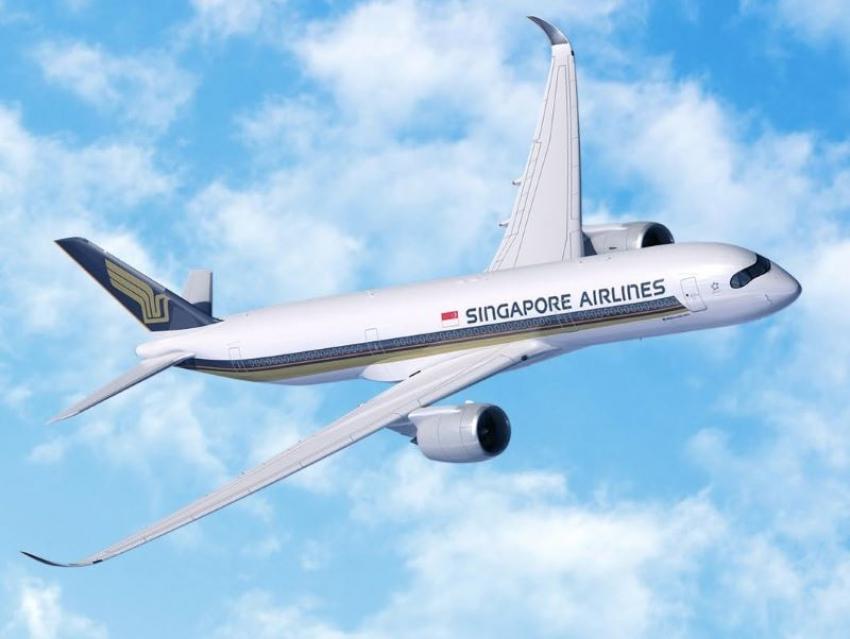
Singapore Airlines (SIA) is upgrading its in-flight entertainment system, KrisWorld, with new display technology, audio features, personalisation tools and high-speed internet connectivity. The changes are intended to give passengers more control over their entertainment and how they use their time on board.