
NITN | @notintownlive | 08 Aug 2026, 08:28 am
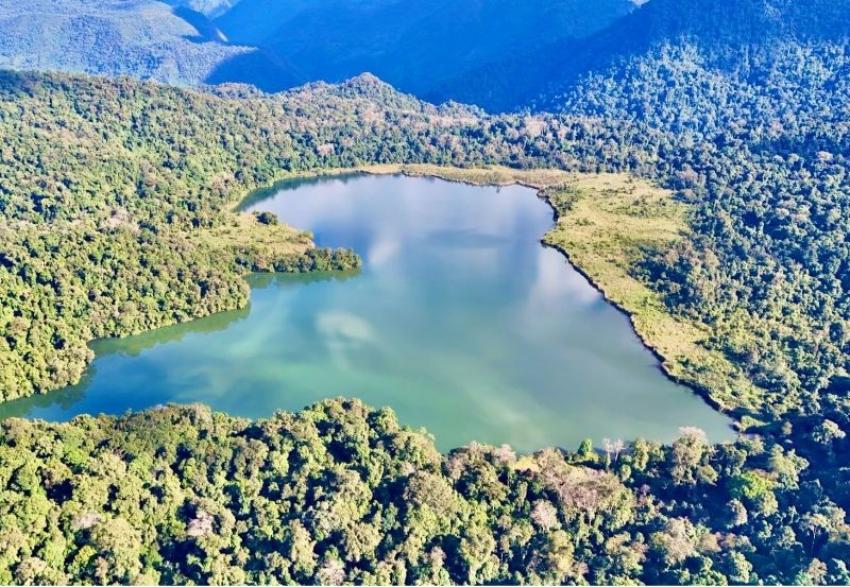
Arunachal Pradesh's Glaw Lake has become India's 101st Ramsar Site. Photo: X/Bhupender Yadav
Hidden amid the Eastern Himalayas, Glaw Lake has earned global recognition as India's 101st Ramsar Site, becoming the first wetland in Arunachal Pradesh to receive the prestigious designation.
The recognition shines a spotlight on one of the state's lesser-known travel destinations, celebrated for its pristine waters, rich biodiversity and captivating local legends.
Nestled inside the Kamlang Wildlife Sanctuary, the remote lake is a haven for trekkers, wildlife enthusiasts and travellers seeking offbeat experiences.
What is a Ramsar Site?
A Ramsar Site is a wetland recognised as being of international importance under the Ramsar Convention, an international treaty adopted in 1971 in the Iranian city of Ramsar.
The convention, which came into force in 1975, promotes the conservation and sustainable use of wetlands worldwide
India now has 101 Ramsar Sites
Union Environment, Forest and Climate Change Minister Bhupender Yadav announced the designation of Glaw Lake in a post on X, describing it as a major milestone for wetland conservation.
Powered by 101 ???
— Bhupender Yadav (@byadavbjp) August 3, 2026
India continues Her journey beyond a century in designating Ramsar Sites.
Delighted to announce Glaw Lake as Arunachal Pradesh’s first Ramsar Site—a significant milestone for biodiversity, water and climate security, and sustainable livelihoods.
Nestled… pic.twitter.com/VnjLwV8Xfs
He said the recognition would strengthen biodiversity conservation, improve water and climate security, and promote sustainable livelihoods.
With the latest addition, India's Ramsar Sites have increased from 26 in 2014 to 101.
Why Glaw Lake is special
Fed by perennial mountain streams, Glaw Lake is surrounded by dense forests that support more than 150 tree species and 49 orchid species within the lake and its catchment.
Located about 20 kilometres from Wakro, the lake is accessible only through a trek, making it a rewarding destination for adventure seekers.
The lake lies within the Kamlang Wildlife Sanctuary, which is home to elephants, leopard cats, wild boar, civets, deer, giant squirrels and flying squirrels.
Travellers can also combine the trek with a visit to the nearby Parshuram Kund, one of Arunachal Pradesh's most revered pilgrimage sites.
The folklore behind the lake
Apart from its natural beauty, Glaw Lake is steeped in the traditions of the Mishmi tribe.
According to travel accounts, local folklore says the lake is protected by four guardian deities—two boys and two girls—who watch over both the waterbody and its visitors.
Other popular beliefs include the claim that no one can drown in the lake and that, despite being surrounded by thick forests, its surface remains largely free of fallen leaves and branches. Another tradition suggests that first-time visitors are often greeted by a brief spell of rain.
While these stories are rooted in local belief and have not been scientifically verified, they add to the mystique of the secluded Himalayan lake.
Best time to visit
The best time to explore Glaw Lake is between October and April, when pleasant weather makes trekking and outdoor activities more comfortable.
With its recent Ramsar recognition, Glaw Lake is expected to attract greater attention from eco-tourists while reinforcing the importance of conserving one of the Eastern Himalayas' most pristine wetland ecosystems
- Kosha Mangsho Roll to Gurer Sandesh Flan: Starbucks Kolkata unveils special Pujo menu blending Bengali flavours with global favourites
- Ganesh Chaturthi in the Skies: What Air India Has in Store for Flyers in its Lounges
- US Envoy Sergio Gor gets a taste of Darjeeling, enjoys Toy Train ride, tea, and local culture
- 1000 Islands: Back to the Waters That Never Left Me
- Priority Pass finally passed the test at JFK: One card, one lounge, a small victory in New York
- Do Not Miss This Museum When You Are in Purulia Next
- Texas Barbecue Takes to the Skies as American Airlines Expands Pecan Lodge Partnership
- Want a Taste of Spain? Taj Taal Kutir Brings 'Spanish Merienda' to Kolkata
- Explore This Hidden Gem in Arunachal - India's 101st Ramsar Site
- Bengali actor Koneenica Banerjee celebrates Bengal's Hilsa love at Kolkata's grand Ilish festival

Emirates Holidays has introduced the Thailand Pass, giving customers travelling to and within Thailand access to offers across shopping, dining, and leisure activities.

flydubai has temporarily suspended all flights to Israel until further notice, citing safety concerns, following a cockpit fight aboard a Tel Aviv-bound flight last Thursday in which the co-pilot allegedly attempted to crash the aircraft, media reports said.

IndiGo is celebrating two years of its loyalty programme, IndiGo BluChip, which was introduced in October 2024 and has since grown to include an ecosystem of more than 25 partners. Over this period, it has emerged as one of the country’s fastest-growing loyalty programmes.