
NITN | @notintownlive | 21 Mar 2026, 12:03 am
 Free Seats
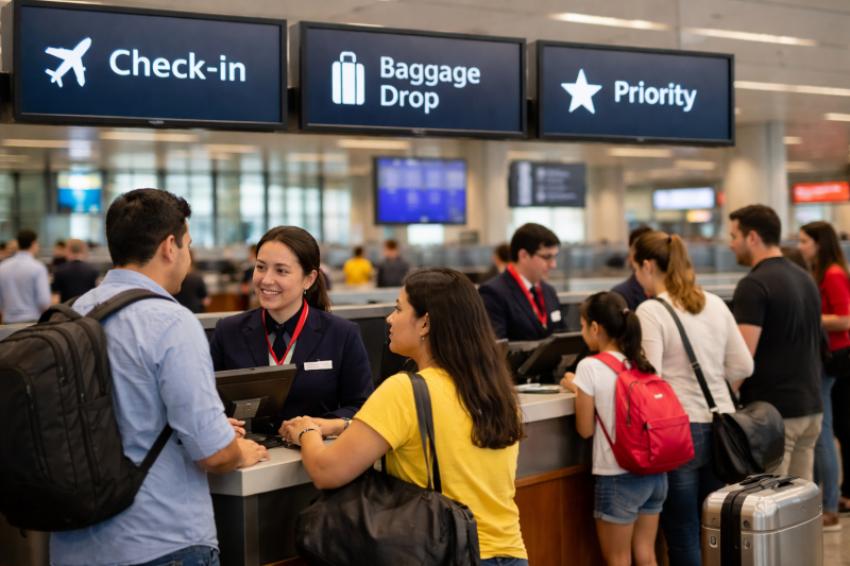
Availability of preferred seats at check-in may vary under the revised seat rules. Photo: generated by ChatGPT.
Choosing a seat on a flight in India often comes at an extra cost, especially for window, aisle, or front-row options. Over time, what was once a basic part of flying has turned into a revenue stream for airlines, leaving many passengers with limited free choices during web check-in.
In a significant move, the Ministry of Civil Aviation has now stepped in to regulate how airlines offer seat selection, aiming to expand the number of seats available free of cost. The change is expected to alter both passenger experience and airline pricing strategies in the months ahead.
60% Seats to Be Offered Free
The Ministry has directed all major Indian airlines — including Air India, IndiGo, SpiceJet, and Akasa Air — to make 60% of seats on every flight completely free of cost.
This marks a notable increase from the current scenario, where only about 20% of seats are available for free selection during web check-in.
In practical terms, this means:
- Passengers will now see a larger portion of seats without a price tag
- Only 40% of seats can be monetised by airlines
However, the key question remains — will these free seats fall within preferred categories such as window, aisle, or front-row seats?
Which Seats Are Likely to Remain Paid?
At present, free seats are available, but they are typically limited to less preferred options. Passengers who do not pay for seat selection are still assigned a seat either during web check-in or at the airport counter.
Currently:
- Around 20% of seats are free, mostly middle seats or back-row seats
- Preferred seats — window, aisle, front row, and extra leg space seats — are usually chargeable
As many passengers choose to pay in advance, it becomes less likely to get a preferred seat during check-in at the airport.
Airlines began charging for seat selection after recognising strong passenger demand for specific seat types. This has become a steady revenue stream, with charges ranging from ₹150 to ₹2,700, depending on the seat and demand.
With the new rule limiting monetisation to 40% of seats, it is expected that airlines will:
- Continue charging for window, aisle, front row, and extra leg space seats
- Place middle and back-row seats within the free category
What Happens at the Airport Counter?
A key concern is how seat allocation will work in practice once the rule is implemented.
If the 60% free seats are already booked online during web check-in, only the remaining 40% paid seats may be left at the time of airport check-in.
This raises an important question - Will airlines still assign a free seat at the counter, as they do now?
If free seats continue to be assigned at the airport, it would benefit passengers. However, it may also result in a dip in revenue for airlines.
Families to Be Seated Together
Another major part of the announcement focuses on passengers travelling together on the same booking.
Under the new rule:
- Passengers with the same booking and same PNR must be seated together
- Airlines will no longer be able to separate family members across rows
This means:
- Families will not have to pay extra to sit together
- Situations where children are seated several rows away from parents are expected to be eliminated
Implementation Timeline Still Unclear
While the direction of the policy is clear, no compliance deadline has been announced yet. This means passengers should not expect immediate changes when booking or checking in for flights.
However, the impact of the announcement is already visible. Airline stocks have dropped in reaction to the development, indicating concerns around potential revenue loss from seat selection charges.
The coming months will determine how airlines adjust their pricing strategies and seat allocation systems under the new framework.
- IndiGo expands Udaipur connectivity with new flights from Noida and Navi Mumbai
- Etihad Airways, Ibom Air agreement opens new travel links to five Nigerian cities from March 2027
- Air India adds a festive flavour to Navratri with special feasts
- Bigger network, more benefits: Air India and Singapore Airlines deepen strategic partnership
- Emirates Holidays launches Thailand Pass with shopping, dining, and leisure offers
- flydubai temporarily suspends all Israel flights after co-pilot’s alleged cockpit attack, crash attempt
- IndiGo BluChip turns two with month-long Blu October Festival and bonus rewards
- Air Canada extends Dubai flight suspension until March 2027, delays winter schedule return
- Israel-bound flight lands in Saudi Arabia as pilots fight in cockpit, stabbing triggers hijack scare mid-air
- Etihad launches Corporate Care with priority support for Business Travellers



IndiGo will introduce daily non-stop flights to Udaipur from Noida International Airport and Navi Mumbai International Airport, starting October 25 and November 15, 2026 respectively.
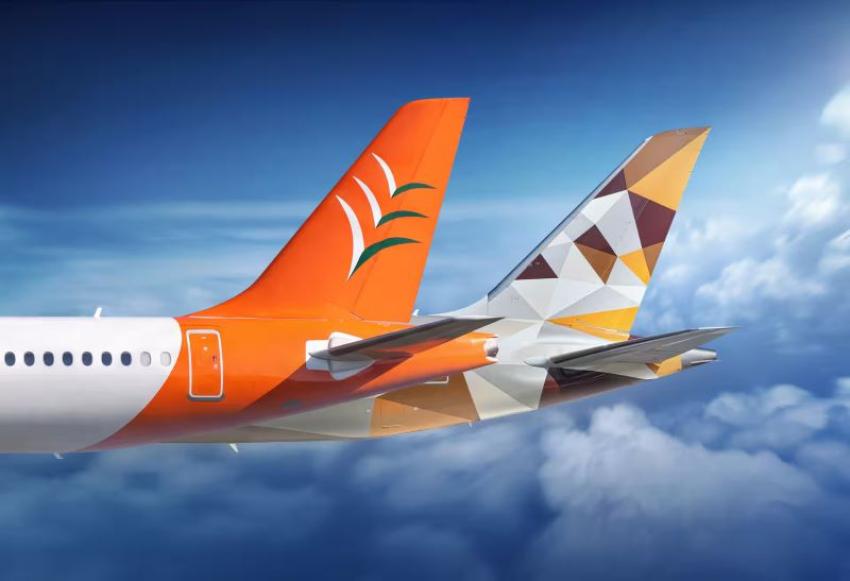
Etihad Airways and Nigerian carrier Ibom Air have signed an interline agreement that will allow passengers travelling with Etihad to connect beyond Lagos and Accra to five cities in Nigeria on a single ticket.
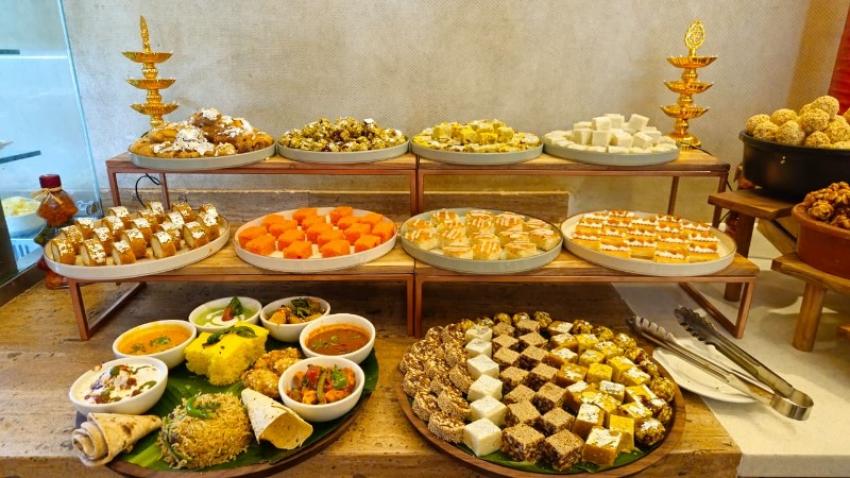
Tata Group-owned Air India on Monday announced that guests flying during Navratri will be served specially curated festive meals onboard its flights and at its lounges in Delhi and Mumbai.