
NITN | @notintownlive | 18 Feb 2026, 11:48 pm
 Diabetes
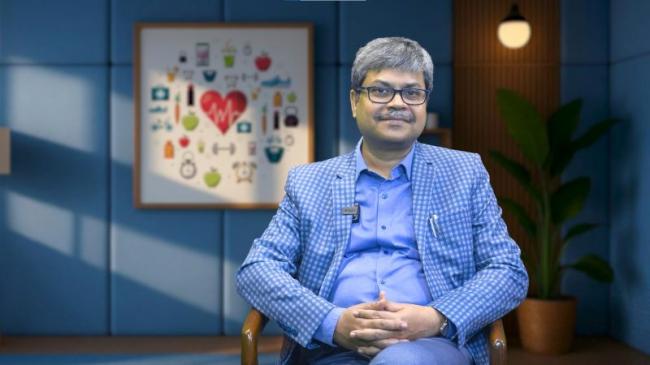
Dr Asis Mitra, MD- General Medicine, MRCP (UK), Senior Diabetologist speaks on managing and reversing Type 2 diabetes. Photo: PR Team
Dr Asis Mitra, MD- General Medicine, MRCP (UK), Senior Diabetologist said in his clinical practice, one misconception continues to surface repeatedly: that diabetes simply means “too much sugar in the blood.” If only it were that simple.
Type 2 diabetes is not merely a sugar disorder. It is a complex metabolic dysfunction rooted in insulin resistance, muscle inactivity, excess body fat and long-standing lifestyle imbalance. When muscles fail to utilise glucose effectively, sugar accumulates in the bloodstream. Over time, this silent imbalance affects the heart, kidneys, nerves and eyes.
Modern medicine has undoubtedly made remarkable progress. Today, we have powerful drugs that can control blood glucose with impressive precision. Yet, let us be clear: most medicines manage diabetes; they do not cure it. Tablets and injections can lower numbers on a lab report, but they cannot substitute for metabolic repair.
The real metabolic engine of the body is skeletal muscle. When we move, exercise and build muscle strength, our body becomes more efficient at using glucose. When we remain sedentary, muscles weaken, fat accumulates and insulin resistance worsens. No pill can fully compensate for that.
In recent years, weight-loss injections such as semaglutide and tirzepatide—popularly known by brand names like Ozempic, Wegovy and Mounjaro—have entered mainstream discussion. These drugs act on gut hormones like GLP-1 and GIP, improving insulin function, suppressing glucagon and slowing gastric emptying. The result is reduced appetite and meaningful weight loss in selected patients.
Used appropriately, they are valuable tools—especially for individuals with Type 2 diabetes and obesity, or those with a high Body Mass Index (BMI) accompanied by co-morbid conditions such as heart disease or sleep apnea. However, they are not cosmetic slimming agents, nor are they magic solutions.
Without structured physical activity, a portion of weight loss may come from muscle reduction, not just fat. Loss of muscle further impairs glucose utilisation, potentially worsening long-term metabolic resilience. This is why any pharmacological intervention must be combined with resistance training and lifestyle modification.
Diet, too, plays a foundational role. I advise my patients to focus on natural, fibre-rich foods—legumes, whole pulses, fresh fruits, salads and minimally processed meals prepared with moderate oil. Balanced nutrition, not extreme restriction, is the key. Excessive refinement and processed sugars destabilise metabolism far more than people realise.
The encouraging truth is this: in early or newly diagnosed Type 2 diabetes, structured weight reduction, disciplined exercise and nutritional correction can significantly improve insulin sensitivity. In some cases, sustained lifestyle intervention may even lead to remission under medical supervision. But this requires commitment—not shortcuts.
We must shift the public conversation. Diabetes is not defeated by eliminating sugar alone. It is controlled—and sometimes reversed—by restoring muscle strength, reducing visceral fat and rebuilding metabolic balance.
Medicines are allies. Injections are tools. But movement remains medicine.
The future of diabetes care in India will not be shaped solely by new molecules—it will be shaped by how seriously we take lifestyle as therapy.
- Parampara founder Debabrata Sen brings Ayurveda to Gen Z with interactive session at Kolkata school
- Sona Institutions to open a College of Nursing at Salem
- Vee Technologies’ engineering division delivers 3,000th fire truck design for the US
- Jagannath comes to Kolkata: Up to 10 lakh devotees expected at Vishwashanti Mahayagya from April 17
- New Sheriff Goutam Ghose to unlock Kolkata's buried colonial past — records untouched since the East India Company
- Sona College’s Fashion Technology Dept. opens admissions to its 4-year B Tech program
- Som Tales: Soma Bose’s podcast celebrates the power of storytelling and conversation
- Prabha Khaitan Foundation and WWF-India to celebrate the unsung guardians of India's forest and wildlife
- Vee Vault Capital invites first cohort of high-potential founders
- Sona College student Team Nexus AI designs an intelligent PLC programming assistant


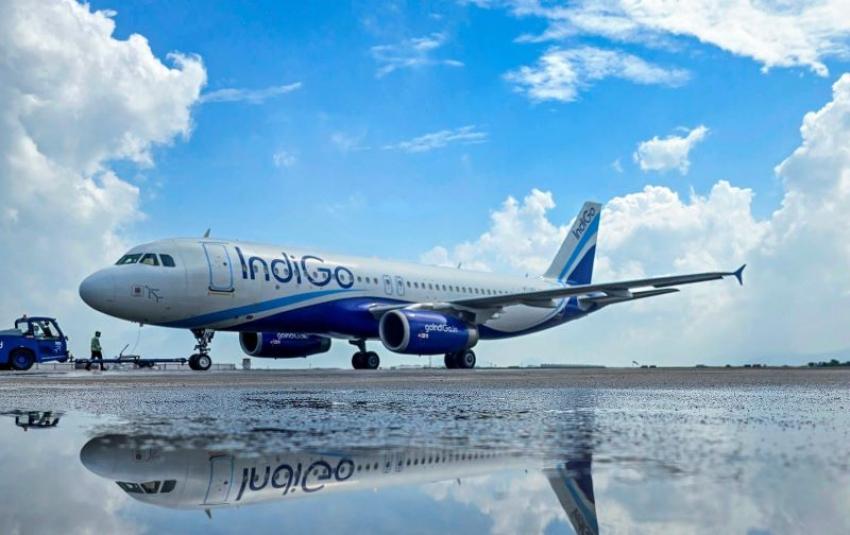
IndiGo has launched its ‘Great Connections Fest’, offering discounted fares on connecting flights across its domestic and international network for a limited booking period.

Air India, the Tata Group-owned airline major, has announced the launch of Cloud Chasers, a comprehensive new programme aimed at enhancing the travel experience for families and young flyers.

Fuel shortages linked to rising tensions in the Middle East could force German airports to scale back operations, cancel flights and raise fares, the Association of German Airports (ADV) has warned.