
23 May 2016, 11:00 am

Professor Bashir Makhoul, practising artist and Deputy Vice-Chancellor at Birmingham City University (UK), believes the movement of refugees from countries such as Afghanistan and Syria to Europe could provide a spark of creativity, pushing boundaries and leading people to explore art and culture in new ways.
Professor Makhoul is the co-editor of a new book, ‘Conflict and Compassion’, which highlights how economic arguments overlook the cultural benefits of closer links between Western Europe and conflicted countries – which the book describes as a “Third Space”.
.jpg) Professor Makhoul said the conflict he experienced growing up in Palestine had a profound impact on his own creativity and that the migration of refugees provided a unique opportunity to change the face of European art and culture forever.
Professor Makhoul said the conflict he experienced growing up in Palestine had a profound impact on his own creativity and that the migration of refugees provided a unique opportunity to change the face of European art and culture forever.
“Migration, both under the tragic circumstances we are seeing right now and in less challenging situations, has the capacity to diversify a region for the better because artists’ responses to adversity are often those which leave the strongest message.
“The movement of people from countries like Afghanistan and Syria into Europe is often viewed in economic terms but there are often long lasting and far reaching benefits. Just look at the impact post-war Asian migration has had on the UK’s food scene – it’s been transformative.
“While we automatically – and understandably – think of the destruction that comes as a result of conflict, it can also be the source of a need to express, create and innovate.
.jpg) “The art and culture which is born out of difficult and challenging situations such as forced migration – actually, expulsion – not only begins to push boundaries but also serve as historical documents which encapsulate and portray an era forever.”
“The art and culture which is born out of difficult and challenging situations such as forced migration – actually, expulsion – not only begins to push boundaries but also serve as historical documents which encapsulate and portray an era forever.”
‘Conflict and Compassion’ launches today (May 23) at HOME, Manchester’s centre for international contemporary art, theatre and film. The book features a series of contemporary artworks from across Asia and analysis of the influence of conflict on artists’ work.
It looks at the impact migration has had on art and culture historically as well as the influence it may have in the coming years, in light of the current global situation.
- Manicktala Chaltabagan Lohapatty Durga Puja Committee wins numerous Awards as ‘Nishan’ theme captures hearts
- Bengal Guv R. N. Ravi inaugurates Chaltabagan Lohapatty Durga Puja’s 84th edition ‘Nishan — The Mark’
- Sundeep Bhutoria brings Bengal’s Mahalaya to the nation in Hindi – Mahishasur Mardini ki Gatha
- VeeCycle Works Signs MoU with AP Govt for Rs 150 Cr Recycling Project in Visakhapatnam
- Kolkata culturist Sundeep Bhutoria inaugurates India National Stand at Frankfurt Book Fair 2026
- Where governments stop, institutions begin: Culture Minister Shekhawat salutes Prabha Khaitan Foundation
- National Award-winning ‘Ramnami’ puts spotlight on community behind Chaltabagan’s ‘Nishan’ theme
- Thiagarajar Polytechnic College receives Education Excellence Award for the fifth time
- Sona College of Technology's 25th graduation day: 1,325 students receive BE, BTech, ME, MCA, MBA and PhD degrees
- ‘We are the worst storytellers’: Suhel Seth on India’s failure to market itself at 'Kitaab' book launch



Air India will launch non-stop flights between Delhi and Osaka’s Kansai International Airport on 2 February 2027, becoming the only airline to operate on the route. The airline will run four flights a week between the Indian capital and Osaka, Japan’s second-largest metropolitan area, using Boeing 787-8 aircraft.
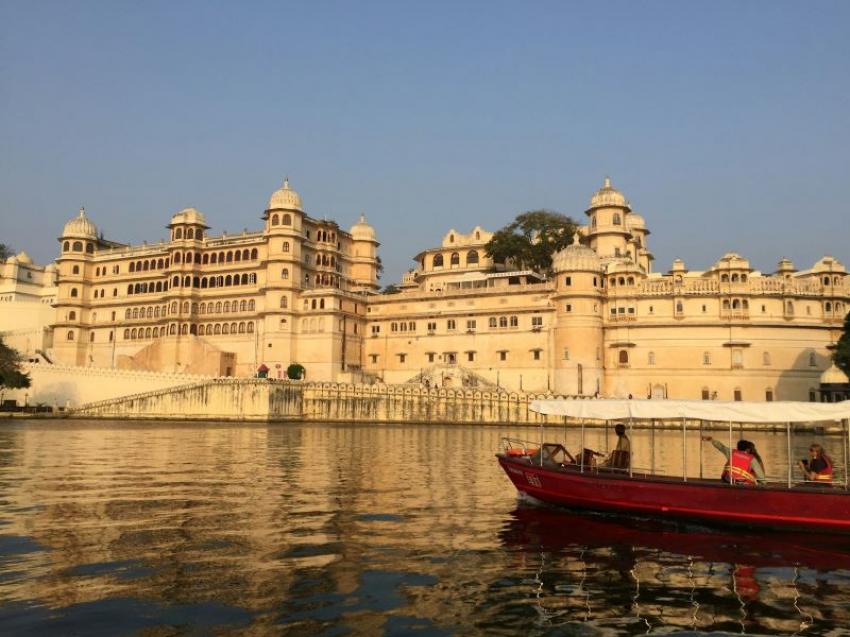
IndiGo will introduce daily non-stop flights to Udaipur from Noida International Airport and Navi Mumbai International Airport, starting October 25 and November 15, 2026 respectively.
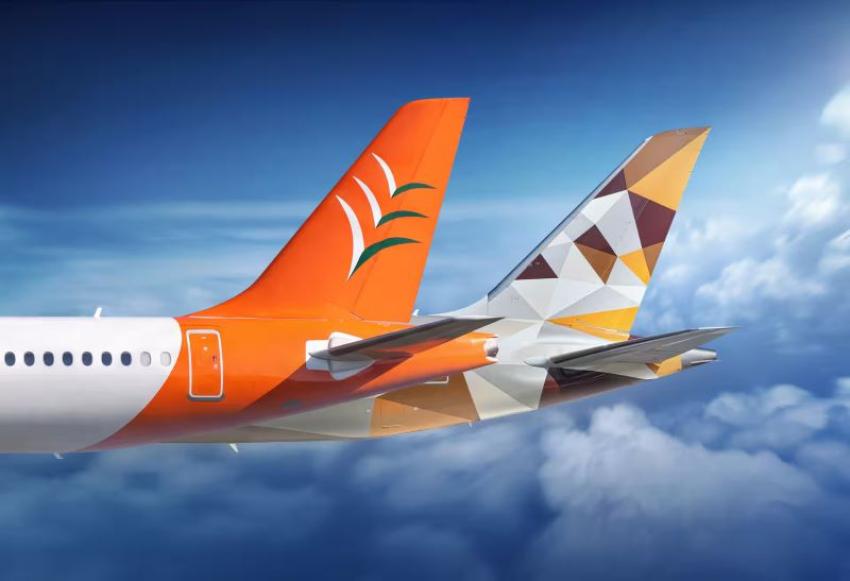
Etihad Airways and Nigerian carrier Ibom Air have signed an interline agreement that will allow passengers travelling with Etihad to connect beyond Lagos and Accra to five cities in Nigeria on a single ticket.