
16 Jan 2017, 08:09 am
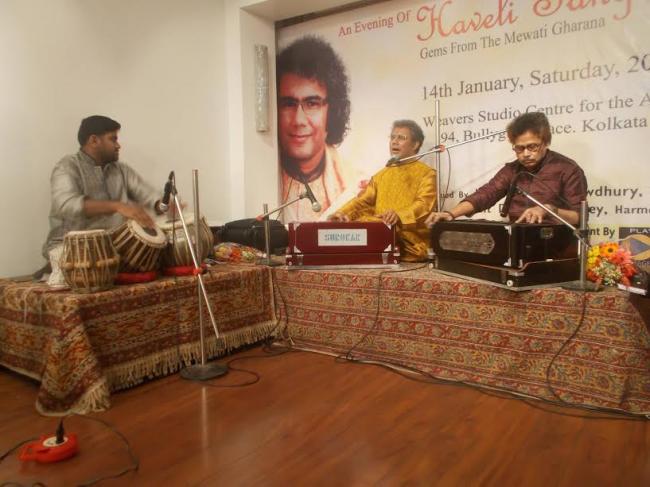
Talking about the historical background of Haveli Sangeet, Suman Ghosh told IBNS: "This particular form of music, derived from the Indian Classical genre, is believed to have originated in the late 15th century.”
“In the past, especially during the Mughal rule, when temple worship was virtually banned, many people quietly removed the idols from the temples to the safety of their households or havelis to continue with the worshipping. The devotional songs or 'bhajans' that were sung by the devotees during prayers in these haveils, later came to be known as Haveli Sangeet,” he added.
.jpg) Asked about the speciality of this music, Ghosh said: "Haveli Sangeet draws its main components from the 'dhrupad' style of Hindustani Classical Music and is steeped in 'bhakti bhaav'. It was believed that the audience of this music is none other than Lord Krishna himself.”
Asked about the speciality of this music, Ghosh said: "Haveli Sangeet draws its main components from the 'dhrupad' style of Hindustani Classical Music and is steeped in 'bhakti bhaav'. It was believed that the audience of this music is none other than Lord Krishna himself.”
According to Ghosh, Haveli Sangeet faded away with the passage of time, being sung only in few temples of North India. But Sangeet Martand Pandit Jasraj saw to the revival of this spiritually rich music and re-introduced it as a genre. The tradition is being ably carried forward by his disciples.
On being asked, that why Ghosh chose Haveli music for his research out of so many other classical forms of music, he said: ”Belonging to Mewati Gharana and being a disciple of Pandit Jasraj, who very minutely researched Vaishnava literature and built a strong genre on Haveli Sangeet, it is my obvious duty to carry forward the tradition and hand it down to the successive generations.”
At the concert, Suman Ghosh was accompanied by Jyotirmoy Roychowdhury on tabla and Debaprasad Dey on Harmonium.
(Reporting by Aninnya Sarkar)
- Sundeep Bhutoria brings Bengal’s Mahalaya to the nation in Hindi – Mahishasur Mardini ki Gatha
- VeeCycle Works Signs MoU with AP Govt for Rs 150 Cr Recycling Project in Visakhapatnam
- Kolkata culturist Sundeep Bhutoria inaugurates India National Stand at Frankfurt Book Fair 2026
- Where governments stop, institutions begin: Culture Minister Shekhawat salutes Prabha Khaitan Foundation
- National Award-winning ‘Ramnami’ puts spotlight on community behind Chaltabagan’s ‘Nishan’ theme
- Thiagarajar Polytechnic College receives Education Excellence Award for the fifth time
- Sona College of Technology's 25th graduation day: 1,325 students receive BE, BTech, ME, MCA, MBA and PhD degrees
- ‘We are the worst storytellers’: Suhel Seth on India’s failure to market itself at 'Kitaab' book launch
- Sona College of Technology welcomes 2,400 freshers to UG, PG programmes
- ‘Children shouldn’t carry the burden’: Social activist Sundeep Bhutoria urges Centre to enforce 10% school bag rule

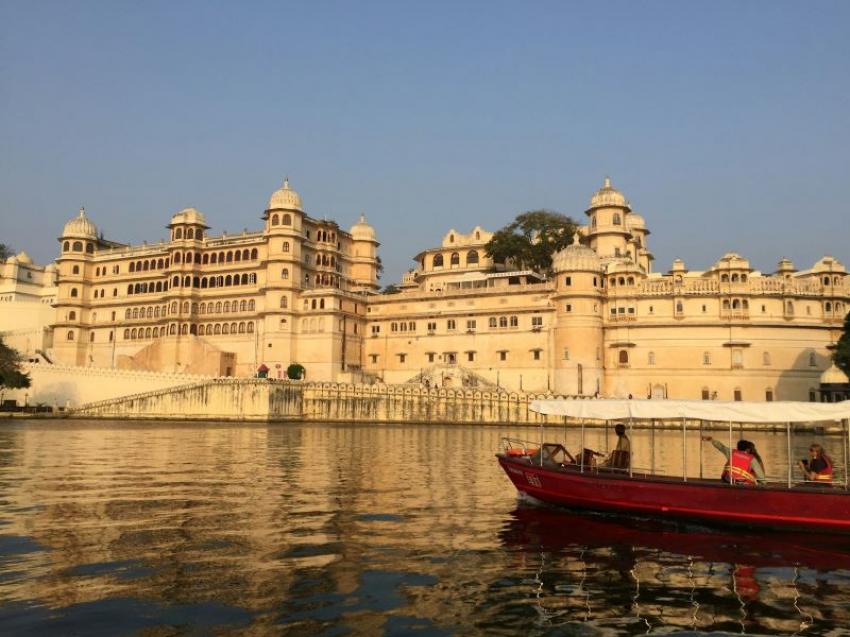
IndiGo will introduce daily non-stop flights to Udaipur from Noida International Airport and Navi Mumbai International Airport, starting October 25 and November 15, 2026 respectively.

Etihad Airways and Nigerian carrier Ibom Air have signed an interline agreement that will allow passengers travelling with Etihad to connect beyond Lagos and Accra to five cities in Nigeria on a single ticket.
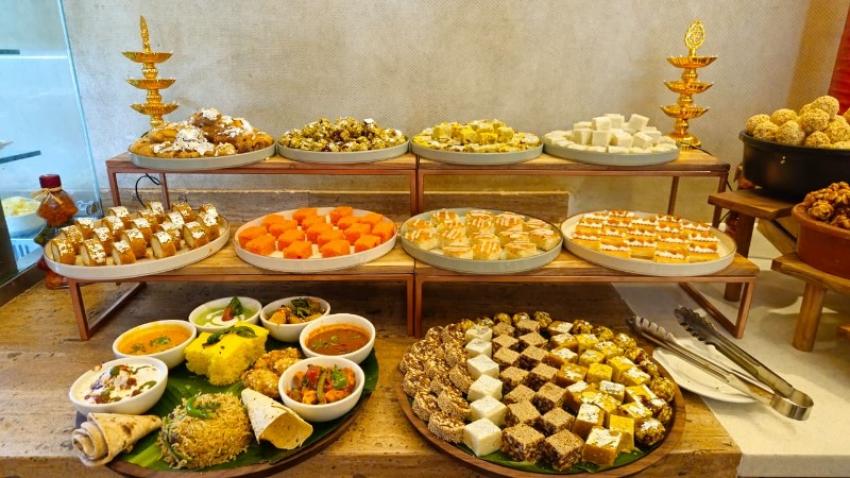
Tata Group-owned Air India on Monday announced that guests flying during Navratri will be served specially curated festive meals onboard its flights and at its lounges in Delhi and Mumbai.