
NITN | @notintownlive | 20 Jan 2022, 09:23 am
 Northern Lights
Image credit: Lola Akinmade Åkerström/imagebank.sweden.se
Stockholm: To see the beauty of the Northern Lights, head to Swedish Lapland between early September and late March.
The Northern Lights, or Aurora Borealis, appear during the beginning of September in and around Kiruna in the far north of Sweden.
The sky comes alive as streaks of pinks, greens and purples dance high above. And by the time winter has fully set in around January, the Northern lights can be seen throughout Swedish Lapland – the large expanse of land in the northwest corner of Sweden that covers nearly a quarter of the country.
The last glimpses of these undulating rainbows can be caught as late as the end of March or even early April.
On clear evenings, the best time to see Northern Lights in Sweden is between 6:00 pm and 2:00 am.
However, the most spectacular display usually takes place around 10:00-11:00 pm.
What are the Northern Lights, and what causes them?
The Northern Lights are a natural phenomenon created when electrically charged particles from the sun collide in the Earth’s atmosphere.
The variation in colour depends on the kind of gas particles involved – low-lying oxygen causes the most common green colour, red is produced by oxygen higher in the atmosphere, and the blueish purple hue comes from nitrogen.
The result is a sight to behold as the vibrant colours snake across the night sky, dancing around as if moving to some unheard music.
Mystical explanations
The Latin name translates to ‘dawn of the north’, Aurora being the Roman goddess of the dawn. Steeped in myth and viewed in awe, these lights have captivated mankind for millennia.
The Sami – the indigenous people of Sweden – believed the lights were the souls of the dead.
You weren’t to dance, sing or whistle at them for fear they would feel disrespected and the lights would dip down and carry you off to the afterlife.
The Vikings, on the other hand, thought that the Northern Lights were the Valkyries taking fallen soldiers to meet Odin, their chief god.
(Image credit: Lola Akinmade Åkerström/imagebank.sweden.se)
- Emirates expands in Japan with new Travel Store in Tokyo and additional Narita flights
- IndiGo passengers get a surprise at 30,000 feet: Here's what they were asked to do
- Riyadh Airport shut until October 17 after deadly Houthi attacks
- Navi Mumbai Airport’s aviation push: TajSATS facility ready to handle rising passenger demand
- Malaysia stays visa-free for Indians through 2026, but entry rules still apply
- Singapore introduces tougher penalties for disruptive behaviour on public transport
- Etihad Rail launches passenger service between Dubai and Abu Dhabi
- New Zealand moves most visitor visa applications to enhanced online system
- Indian passport rules changed: New validity, fees for children and adults explained
- Azerbaijan makes F1 travel easier for Indian fans with visa on arrival



Air India will launch non-stop flights between Delhi and Osaka’s Kansai International Airport on 2 February 2027, becoming the only airline to operate on the route. The airline will run four flights a week between the Indian capital and Osaka, Japan’s second-largest metropolitan area, using Boeing 787-8 aircraft.
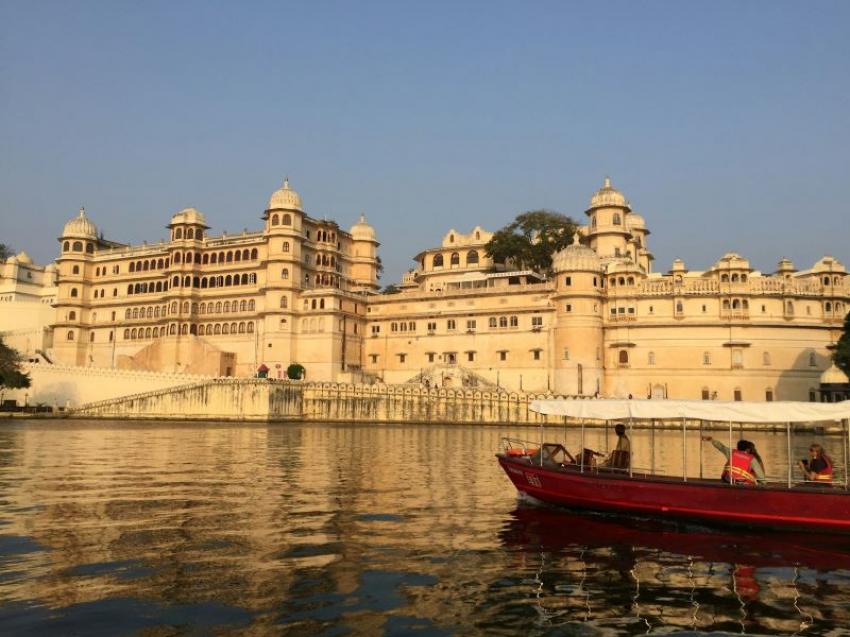
IndiGo will introduce daily non-stop flights to Udaipur from Noida International Airport and Navi Mumbai International Airport, starting October 25 and November 15, 2026 respectively.

Etihad Airways and Nigerian carrier Ibom Air have signed an interline agreement that will allow passengers travelling with Etihad to connect beyond Lagos and Accra to five cities in Nigeria on a single ticket.