
14 Apr 2015, 08:47 am
People in India, like most of the global citizens, have now developed a taste for ordering things online and getting them shipped to their doorstep. The last two decades have been a testimonial of the visible change in the lifestyle of the people.
After the concept of economic liberalization began to take shape in India, which was initiated in the year 1991, the people here took to shopping for commodities those were global in nature of their availability.
Soon after, the use of internet and mobile phones became a regular thing and that brought upon a change on how a consumer will approach the market while buying a commodity. Eventually, with the availability of e-commerce websites in the 21st century people turned to internet and mobile phones to buy products online.
The e-commerce websites provide a varied range of products keeping in mind different necessities of different kinds of people. Through these websites, consumers can easily surf and shop gadgets, clothes, books, personal care and health care products.
The features of an e-commerce website include reach and availability to the people; providing them with an on-their-doorstep delivery unlike the conventional manner of buying things from a store. Therefore, Indian consumers are drawn to the seamless and less hectic form of shopping that saves time and effort both because they can get high-end products delivered at their doorstep.
The e-commerce sites are all about the consumer's benefit and eventually the options of 'Cash on Delivery', 'Free Delivery' and 'Easy Monthly Installments' that were made available to the consumers gives them ample scope and opportunity to buy things online.
Also, there has been a noticeable change in the needs and preference of the people in India. Via the e-commerce sites, there is now a market specified for the people who look for products for personal care and grooming. These products are rarely available at the conventional retail stores and hence it’s easier for the consumers to go online and find the product that satiates their needs.
According to the 'Neilson Global Survey of E-commerce 2014', about 31% global netizens browse for personal care products and about 29% of them end up buying them.
Primarc group has formed an SPV, Primarc Pecan Retail Pvt Ltd. to focus on the online business.
It has started retailing Books, Toys, Health & Personal Care, Pet Supplies and Gourmet products of leading national & international brands such as Reckitt Benckiser, Dabur Pvt Ltd, Herbal Hills, Vissco, Procter & Gamble, Funskool, Mattel, Disney, Amar Chitra Katha, Chicco, Pedigree, Drools, Choostix, Royal Canin and lots more.
Primarc Pecan provides high-quality products to the customers in the online space at attractive prices.
Primarc is one of the leading business institutions in the retail, realty & distribution sector in eastern India with more than 40 retail stores across formats.
- Ganesh Chaturthi in the Skies: What Air India Has in Store for Flyers in its Lounges
- US Envoy Sergio Gor gets a taste of Darjeeling, enjoys Toy Train ride, tea, and local culture
- 1000 Islands: Back to the Waters That Never Left Me
- Priority Pass finally passed the test at JFK: One card, one lounge, a small victory in New York
- Do Not Miss This Museum When You Are in Purulia Next
- Texas Barbecue Takes to the Skies as American Airlines Expands Pecan Lodge Partnership
- Want a Taste of Spain? Taj Taal Kutir Brings 'Spanish Merienda' to Kolkata
- Explore This Hidden Gem in Arunachal - India's 101st Ramsar Site
- Bengali actor Koneenica Banerjee celebrates Bengal's Hilsa love at Kolkata's grand Ilish festival
- Bhutanese Bites to Steaming Momos: Taj Taal Kutir’s Food Festival Takes Kolkata on A Himalayan Trip


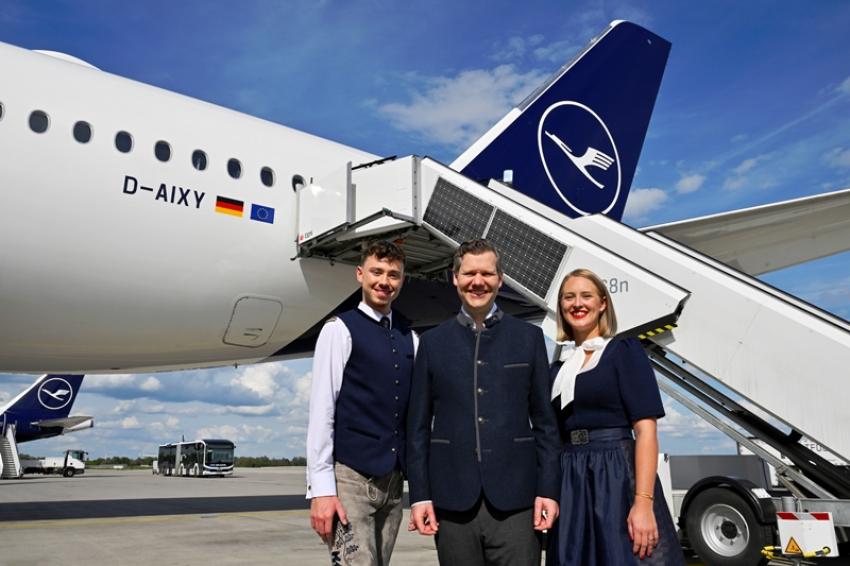
For Oktoberfest 2026, Lufthansa's traditional costume crews will take to the skies in a new look, the airline has announced.

American Airlines is welcoming the fall travel season with a selection of new dishes across its Flagship and Admirals Club® lounge network.
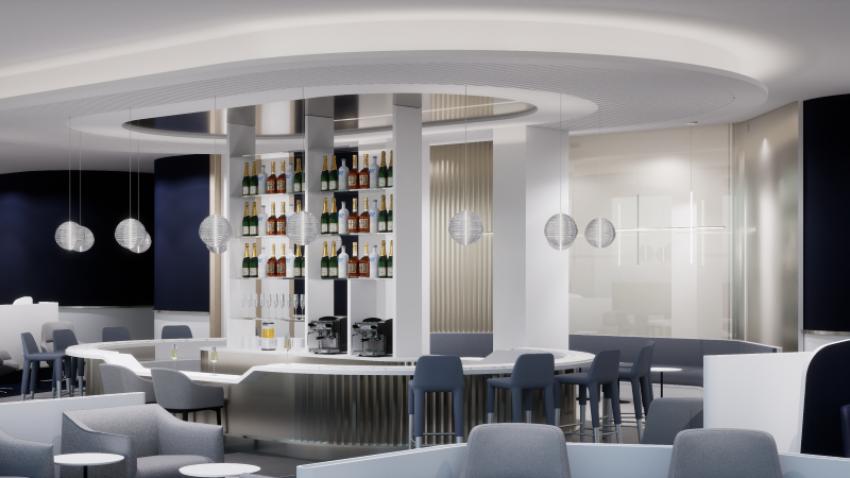
Air France will operate all its New York flights from JFK’s New Terminal One from next year, as the airline prepares to open a new lounge spanning more than 2,700 sq. m at the terminal.