
NITN | @notintownlive | 08 Mar 2021, 11:48 pm
 Travel
Image credit: UN News/Matthew Wells
New York: Around a third of 217 world travel destinations surveyed remain completely closed to international tourists, as concerns grow over the impact of new coronavirus variants, and some governments reverse efforts to ease restrictions, according to a new report released by the UN World Tourism Organization (UNWTO) on Monday.
Among the destinations now off limits, more than half of them have been inaccessible to overseas travelers since 27 April last year.
Moreover, most of the former tourist draws affected, are in Asia, the Pacific and Europe, according to the UNWTO Travel Restrictions Report.
On the other side of the coin, more than a third of global tourism destinations are now partially open to international visitors, with Albania, Costa Rica, Dominican Republic, North Macedonia and Tanzania, lifting all COVID-19 related travel restrictions.
‘Safe and responsible’
Noting that travel restrictions have been widely used to restrict the spread of the virus, Zurab Polilikashvili, UNWTO Secretary-General, stressed that “as we work to restart tourism, we must recognise that restrictions are just one part of the solution.”
He further underscored that travel restrictions must be based on the latest data and analysis, and consistently reviewed “so as to allow for the safe and responsible restart of a sector upon which many millions of businesses and jobs depend.”
Testing and quarantine
The report shows a growing trend in international destinations “adopting a more nuanced, evidence and risk-based approach” to coronavirus linked travel restrictions, said the UN agency in its news release on the report.
More countries are requiring tourists to present a negative Polymerase Chain Reaction (PCR) or COVID-19 antigen test for entry, as well as providing contact details for tracing purposes.
Just over 30 per cent of all worldwide destinations have made presenting negative test results their main requirement for entry, which the same proportion are making tests a secondary or tertiary measure.
So far 70 world destinations have adopted such an approach, with additional quarantine requirements. Around a third of these destinations are Small Island Developing States (SIDS) in the Americas.
Remaining cautious
According to UNWTO, many governments have advised their citizens to avoid non-essential travel abroad, including governments of the top ten destinations who have adopted that policy, which received 44% of all international tourists worldwide, according to figures from March 2018.
How they review policies in the light of the pandemic, will play a critical role in restarting and restoring global tourist flows in the months ahead, said the report.
- IndiGo passengers get a surprise at 30,000 feet: Here's what they were asked to do
- Riyadh Airport shut until October 17 after deadly Houthi attacks
- Navi Mumbai Airport’s aviation push: TajSATS facility ready to handle rising passenger demand
- Malaysia stays visa-free for Indians through 2026, but entry rules still apply
- Singapore introduces tougher penalties for disruptive behaviour on public transport
- Etihad Rail launches passenger service between Dubai and Abu Dhabi
- New Zealand moves most visitor visa applications to enhanced online system
- Indian passport rules changed: New validity, fees for children and adults explained
- Azerbaijan makes F1 travel easier for Indian fans with visa on arrival
- Kanchenjunga Tourism Festival to showcase North Bengal’s heritage, culture, and sporting events across 3 locations


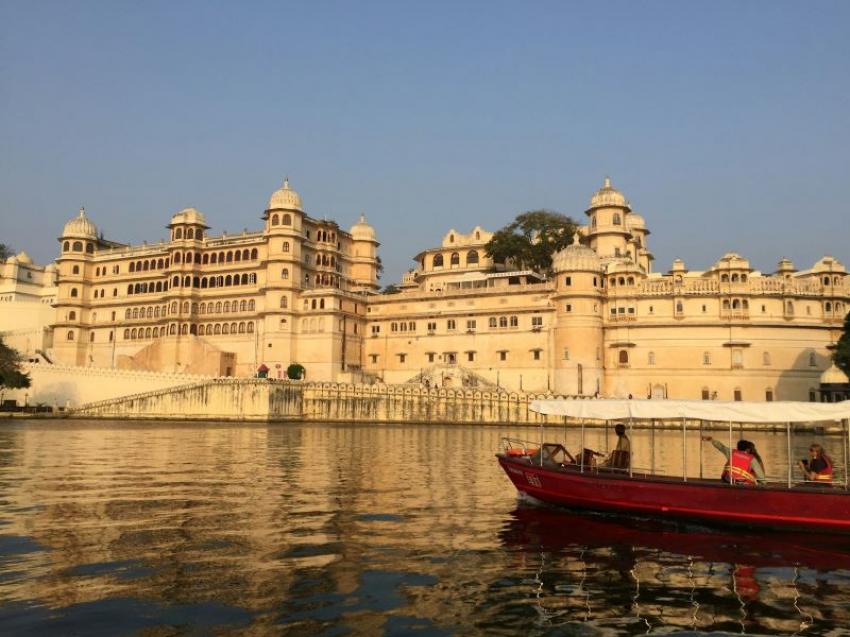
IndiGo will introduce daily non-stop flights to Udaipur from Noida International Airport and Navi Mumbai International Airport, starting October 25 and November 15, 2026 respectively.

Etihad Airways and Nigerian carrier Ibom Air have signed an interline agreement that will allow passengers travelling with Etihad to connect beyond Lagos and Accra to five cities in Nigeria on a single ticket.

Tata Group-owned Air India on Monday announced that guests flying during Navratri will be served specially curated festive meals onboard its flights and at its lounges in Delhi and Mumbai.