
NITN | @notintownlive | 29 Jan 2022, 12:59 am
 International Travel
Image credit: Photo by Gabriella Clare Marino on Unsplash
Madrid/NITN: The World Tourism Organization (UNWTO) has supported the World Health Organization’s (WHO’s) call for restrictions on travel to be lifted or eased.
UNWTO Secretary-General Zurab Pololikashvili said, “When it comes to stopping the spread of new virus variants, blanket travel restrictions are simply counterproductive. In fact, by cutting the lifeline of tourism, these restrictions do more harm than good, especially in destinations reliant on international tourists for jobs, economic wellbeing and sustainable change.”
Citing the varied global responses to the emergence of the Omicron variant of COVID-19, WHO has reiterated that restrictions on travel are not effective in suppressing the international spread.
The United Nations World Economic Situation and Prospects Report for 2022 (Report) – to which UNWTO provided the official travel related data - mentioned that in both developed and developing, recovery from the impacts of the pandemic is “uneven and fragile”. The report also noted the ‘substantial reversal in progress towards achieving the Sustainable Development Goals (SDGs)’.
After a global contraction of 3.4 per cent in 2020 and a rebound of 5.5 per cent in 2021, the Report said that the world economy is projected to grow by 4 per cent in 2022 and then 3.5 per cent in 2023. Given its importance as a major export category (prior to the pandemic tourism was the third largest in the world, after fuels and chemicals), and recognizing its role as a source of employment and economic development, tourism sector’s recovery is expected to drive growth in every world region.
In view of this grim situation, the Committee observed that restrictions on travel may “discourage transparent and rapid reporting of emerging Variants of Concern.”
The Committee also noted that measures applied to international travellers such as testing, isolation and quarantine, and vaccinations, should be based on ‘risk assessments and avoid placing the financial burden on international travellers in accordance with Article 40 of the IHR'
According to Pololikashvili, “It is imperative we restart tourism and so kick start recovery and get back on track towards meeting the SDGs while responding to Climate Imperatives. UNWTO welcomes WHO’s new guidance, highlighting the ineffectiveness of blanket travel restrictions, and we also amplify their recommendations against using vaccination status as the sole condition for welcoming tourists back, especially when vaccination rates remain so uneven.”
- IndiGo passengers get a surprise at 30,000 feet: Here's what they were asked to do
- Riyadh Airport shut until October 17 after deadly Houthi attacks
- Navi Mumbai Airport’s aviation push: TajSATS facility ready to handle rising passenger demand
- Malaysia stays visa-free for Indians through 2026, but entry rules still apply
- Singapore introduces tougher penalties for disruptive behaviour on public transport
- Etihad Rail launches passenger service between Dubai and Abu Dhabi
- New Zealand moves most visitor visa applications to enhanced online system
- Indian passport rules changed: New validity, fees for children and adults explained
- Azerbaijan makes F1 travel easier for Indian fans with visa on arrival
- Kanchenjunga Tourism Festival to showcase North Bengal’s heritage, culture, and sporting events across 3 locations


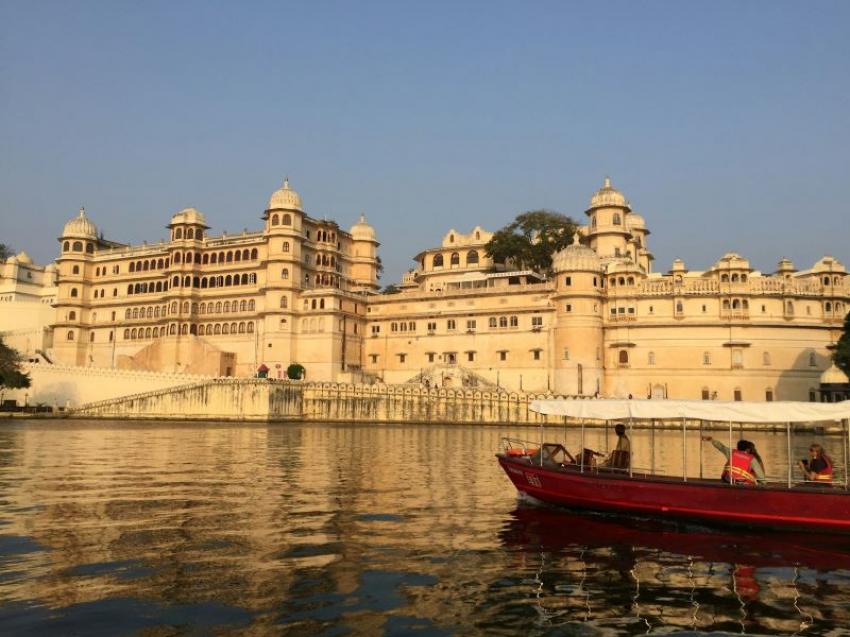
IndiGo will introduce daily non-stop flights to Udaipur from Noida International Airport and Navi Mumbai International Airport, starting October 25 and November 15, 2026 respectively.

Etihad Airways and Nigerian carrier Ibom Air have signed an interline agreement that will allow passengers travelling with Etihad to connect beyond Lagos and Accra to five cities in Nigeria on a single ticket.

Tata Group-owned Air India on Monday announced that guests flying during Navratri will be served specially curated festive meals onboard its flights and at its lounges in Delhi and Mumbai.