
NITN | @notintownlive | 25 Jul 2022, 12:16 am
 Building back better
Image credit: Vlad B/Unsplash
Madrid/NITN: The World Tourism Organisation (UNWTO) in a recent release said that the United Nations (UN) while making a global assessment of progress towards the Sustainable Development Goals (SDGs) drew on its statistical work to track tourism’s role in delivering meaningful progress for people and the planet.
The reference to the UNWTO data was made at the High-Level Political Forum (HLPF) on Sustainable Development, which this year focused on the theme of ‘building back better’ from the pandemic.
The UN SG Progress report on SDGs with its statistical annex will serve as an input to the deliberations of the HLFP.
Alongside this, the Sustainable Development Goals Extended Report is aimed at the wider public and provides an overview of all 17 Goals with infographics, including those illustrating the relevance of tourism.
Governments must step up measurement efforts to achieve the #GlobalGoals, including in tourism.
— World Tourism Organization (@UNWTO) July 14, 2022
Launched at the @UN #HLPF, the #SDGreport draws on UNWTO’s statistical work to track tourism’s role in delivering meaningful progress for people and the ?
?https://t.co/2qQ53dUppL pic.twitter.com/C0kBfLZvTN
According to the release, prepared in collaboration with the entire UN Statistical System, the reports and their latest available data show that action is needed to accelerate the delivery on the SDGs and to step up national measurement efforts, including for the tourism sector.
As demonstrated in section on SDG8 (‘Decent Work and Economic Growth’), tourism - a major force of development - was one of the most affected economic sectors by the COVID-19 pandemic as global GDP from tourism nearly halved between 2019 and 2020, with far-reaching consequences for jobs, local businesses and conservation efforts.
On SDG12 (‘Responsible Production and Consumption’), UNWTO’s statistics highlighted the importance of national efforts to implement standardized tools like Tourism Satellite Accounts (TSAs) and the System of Environmental-Economic Accounting (SEEA).
Both underpin the UNWTO-led Statistical Framework for Measuring the Sustainability of Tourism (MST) that assesses the social, economic and environmental impacts and dependencies of tourism—at national and sub-national levels.
These tools also underline the importance of multi-stakeholder collaboration which is fostered through the Sustainable Tourism Programme of the One Planet network, the release said.
As countries build back better and aim to build more sustainable and resilient tourism, various policy frameworks have recognized the need for these measurement tools to guide their efforts and thus contribute to more evidence-based policymaking.
Examples at the international and regional level are the UNWTO Recommendations for the Transition to a Green Travel and Tourism Economy and the AlUla Framework for Inclusive Community Development Through Tourism, both endorsed by the G20, the European Parliament resolution on establishing a strategy for sustainable tourism, the Pacific Sustainable Tourism Policy Framework, UNWTO General Assembly resolutions and UN Statistical Commission decisions.
- Indian passport rules changed: New validity, fees for children and adults explained
- Azerbaijan makes F1 travel easier for Indian fans with visa on arrival
- Kanchenjunga Tourism Festival to showcase North Bengal’s heritage, culture, and sporting events across 3 locations
- Planning a Malaysia trip? Indian Embassy cautions not to look for jobs on tourist visa
- International Digi Yatra trials to begin at major Indian airports from October
- Star Alliance Paris CDG Lounge crowned world’s best alliance lounge once again
- Sona College of Tech, Salem team wins Mitsubishi contest for factory automation; beats 6 national winners across Asia
- Planning India trip? Thai tourists can now get 30-day e-Visa without fee
- Phone, Wallet Stolen Abroad? Knowing These Steps Can Save Your Trip
- Travelling Abroad from India? Know How Much Foreign Currency You Can Carry



Air France will operate all its New York flights from JFK’s New Terminal One from next year, as the airline prepares to open a new lounge spanning more than 2,700 sq. m at the terminal.
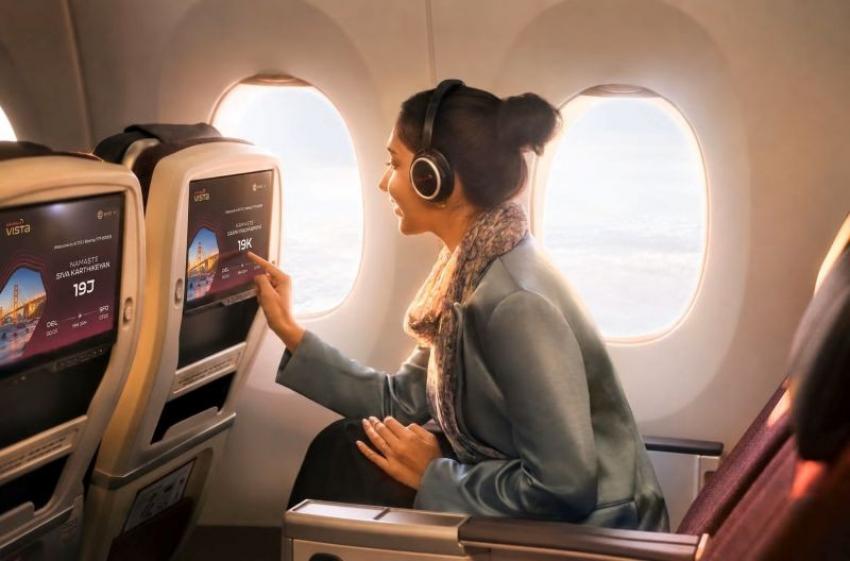
Tata Group-owned Air India on Tuesday unveiled a preview of its next-generation connected in-flight entertainment (IFE) software, the Vista Digital Platform, which aims to transform the way passengers experience entertainment and services during their journeys.

Etihad Airways and Etihad Rail have signed a Memorandum of Understanding to explore integrated air-rail travel services across the United Arab Emirates, aiming to make travel between Abu Dhabi and destinations across the country more convenient.