
NITN | @notintownlive | 23 Apr 2024, 07:53 am
 Schengen Visa
Photo Courtesy: Unsplash
The European Commission on April 18 adopted specific rules on the issuing of multiple entry visas to Indian nationals, which are more favourable than the standard rules of the Visa Code that applied to date.
"This new visa ‘cascade’ regime for Indian nationals residing in India who apply for Schengen (short-stay) visas in India will provide easier access to visas with multi-year validity for travellers with an established travel history, if the passport validity allows," read a statement issued by European Union.
According to the newly adopted visa “cascade” regime for India, Indian nationals can now be issued long-term, multi-entry Schengen visas valid for two years after having obtained and lawfully used two visas within the previous three years.
The two-year visa will normally be followed by a five-year visa, if the passport has sufficient validity remaining.
During the validity period of these visas, holders enjoy travel rights equivalent to visa-free nationals.
This decision comes in the context of strengthened relations under the EU-India Common Agenda on Migration and Mobility, which seeks comprehensive cooperation on migration policy between the EU and India, with facilitation of people-to-people contacts being of key aspect due to the importance of India as a partner for the EU.
Schengen visas allow the holder to travel freely in the Schengen area for short stays of a maximum of 90 days in any 180-day period.
"The visas are not purpose-bound, but they do not grant the right to work," read the statement.
The Schengen area consists of 29 European countries (of which 25 are EU states): Belgium, Bulgaria, Croatia, Czech Republic, Denmark, Germany, Estonia, Greece, Spain, France, Italy, Latvia, Lithuania, Luxembourg, Hungary, Malta, Netherlands, Austria, Poland, Portugal, Romania, Slovenia, Slovakia, Finland and Sweden, along with Iceland, Liechtenstein, Norway and Switzerland.
- Navi Mumbai Airport’s aviation push: TajSATS facility ready to handle rising passenger demand
- Malaysia stays visa-free for Indians through 2026, but entry rules still apply
- Singapore introduces tougher penalties for disruptive behaviour on public transport
- Etihad Rail launches passenger service between Dubai and Abu Dhabi
- New Zealand moves most visitor visa applications to enhanced online system
- Indian passport rules changed: New validity, fees for children and adults explained
- Azerbaijan makes F1 travel easier for Indian fans with visa on arrival
- Kanchenjunga Tourism Festival to showcase North Bengal’s heritage, culture, and sporting events across 3 locations
- Planning a Malaysia trip? Indian Embassy cautions not to look for jobs on tourist visa
- International Digi Yatra trials to begin at major Indian airports from October



flydubai has temporarily suspended all flights to Israel until further notice, citing safety concerns, following a cockpit fight aboard a Tel Aviv-bound flight last Thursday in which the co-pilot allegedly attempted to crash the aircraft, media reports said.

IndiGo is celebrating two years of its loyalty programme, IndiGo BluChip, which was introduced in October 2024 and has since grown to include an ecosystem of more than 25 partners. Over this period, it has emerged as one of the country’s fastest-growing loyalty programmes.
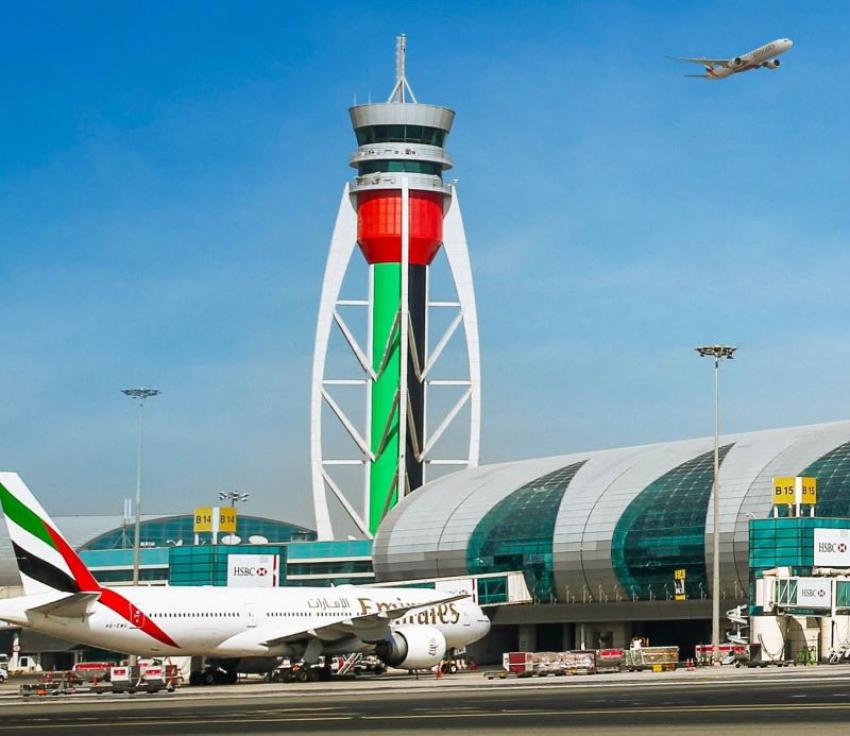
Air Canada has extended the suspension of its flights to and from Dubai, with services to Dubai International Airport (DXB) now cancelled until the end of March 2027.