
NITN | @notintownlive | 03 Feb 2026, 08:49 am
 Czechia
As travel preferences continue to shift towards slower, more personal experiences, Czechia is shaping its 2026 travel scene around flexibility and individual choice. The country’s new travel theme, titled “Feel Free To,” reflects a growing desire among travellers to move away from rigid itineraries and instead explore destinations at a pace that suits them, Visit Czechia said.
For Indian travellers in particular, the idea taps into a preference for meaningful experiences over hurried sightseeing, allowing deeper engagement with places.
Rather than positioning travel as a checklist of attractions, the concept encourages Indian visitors to build journeys around their own interests—whether that means lingering in historic cities, spending time in nature, or focusing on rest and wellness.
One of the central ideas behind the “Feel Free To” concept is Czechia’s suitability as a year-round destination. Seasonal contrasts play a key role here.
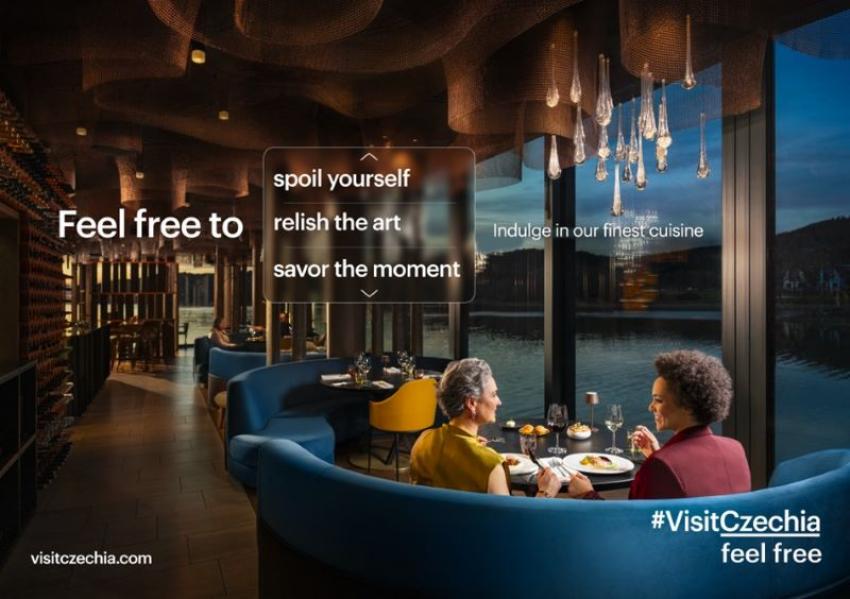
Barbara Andelova, International Markets Manager- CzechTourism, said, “With our new concept Feel Free To...we present Czechia not just as a country of sights and monuments, but as a destination defined by a feeling – one of freedom, ease, and genuine experiences. We want travellers to feel the freedom to explore country on their own terms.”
Special Highlights
Winter city breaks in Prague offer a quieter, atmospheric experience, while spa towns in the Karlovy Vary region continue to attract Indian travellers interested in wellness and relaxation. As the year unfolds, regions such as South Bohemia, Bohemian Switzerland, and South Moravia offer varied landscapes, small towns, vineyards, and walking trails that naturally lend themselves to slower travel.
Czechia’s relatively small size and well-connected transport network naturally support this slower, more flexible way of exploring.

Travellers can move between regions without long travel times, making it possible to combine cities, countryside, and cultural experiences within a single trip. This accessibility also encourages visitors to look beyond Prague and spend time in lesser-explored areas, often discovering a quieter and more local side of the country.
With multiple regions offering distinct experiences across different seasons, travellers are not confined to a one-time, highlight-driven trip. Instead, the country presents itself as a place that can be revisited with a new focus each time—whether for culture, nature, food, or relaxation.
As Indian outbound travel continues to mature, flexibility, comfort, and personal choice are becoming increasingly relevant. Czechia’s 2026 travel concept aligns with this shift, presenting the country not as a destination to rush through, but as one to explore thoughtfully.
- ₹70,000 for Abu Dhabi-Delhi Flights? Middle East War Hit Travellers Hard
- High Price of Exodus! The Ultra-Rich Pay USD 350,000 to Leave Dubai
- Czechia Reports Double-Digit Growth from India as Tourists Look Beyond Prague
- UK Rolls Out eVisa for Indians: What You Need to Know
- Swipe Smart: How Indians Can Avoid Overpaying While Travelling Abroad
- Radisson and MBD Group Join Hands to Take Luxury Hospitality to New Heights
- New US Border Rules: Canada Advises First Nations to Carry Passport
- Hot food in plastic packets: Is it safe? Vande Bharat passenger raises concern
- Visa-Free Armenia: A New Opportunity for Indian Travellers
- Join the “Lanterns & Legends” Walk to Celebrate Chinese New Year at Bow Barracks

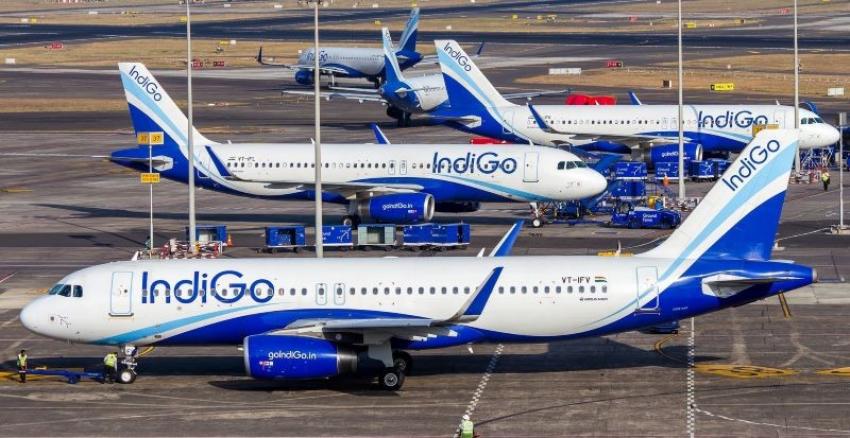
Passengers booking flights with IndiGo will have to pay more starting March 14 after the airline announced an additional fuel charge on all domestic and international routes amid rising fuel prices linked to the ongoing Middle East conflict.

Amid the ongoing Middle East conflict, global flight operations continue to face disruptions, with limited services and rising airfares affecting travellers across several regions.
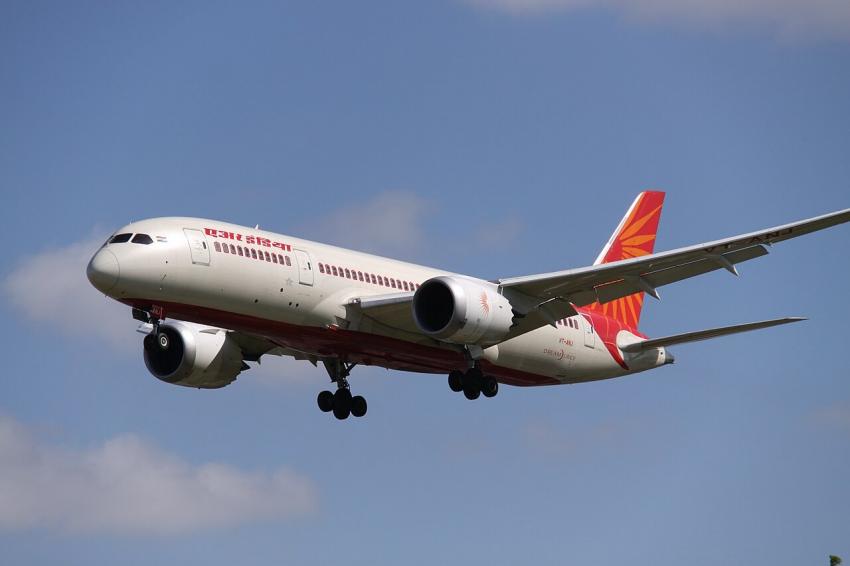
Air India on Tuesday announced a phased increase in fuel surcharges across its domestic and international network, citing a sharp rise in aviation fuel prices triggered by the ongoing conflict between Iran and the United States in the Middle East.