
NITN | @notintownlive | 17 Mar 2026, 06:11 am
 Travel with pets
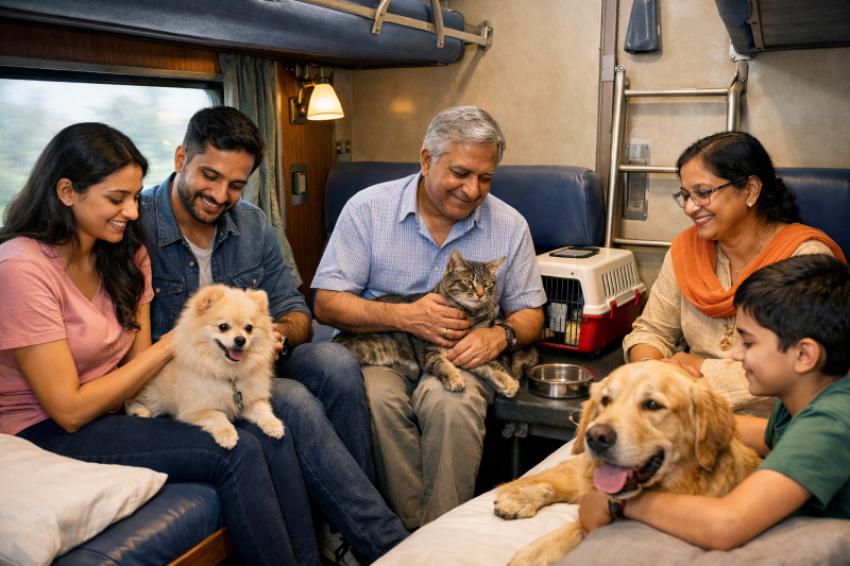
Travelling with your pets can be fun if you follow the rules. Photo: generated by ChatGPT.
Travelling with pets on trains in India is becoming more common, but the process can often seem confusing for many pet owners. Unlike regular passenger bookings, taking a pet along on a train journey involves additional rules and procedures that must be followed carefully.
For pet parents planning a rail journey with their animals, it is important to understand the key requirements — including booking timelines, coach eligibility, coupe or cabin allocation, the pet ticket process, and essential documents such as a fitness certificate. Being aware of these procedures in advance can make travelling with cats and dogs on Indian trains much smoother.
Pets Are Allowed Only in First AC
Under Indian Railways rules, pets are permitted to travel only in First AC coaches. Passengers planning to bring their cats or dogs on board must book tickets in this class.
Since First AC coaches have limited seats and specific cabin and coupe allocations, travellers are advised to plan their journey well in advance. Ideally, tickets should be booked 15 to 30 days before the date of travel.
Advance planning is especially important because First AC does not offer Tatkal booking, which means last-minute reservations are usually not possible.
When and How to Book a Pet Ticket
Unlike regular passenger tickets, pet tickets can only be booked after the train reservation chart is prepared. Seat numbers are assigned after the chart is finalised, followed by the pet booking process.
At this stage, passengers can choose between two options to obtain the pet ticket:
Booking through the parcel office
One method is to visit the railway parcel office at the station.
The process involves:
- Taking the pet and the carrier to the parcel office
- Having both weighed by railway staff
- Getting a parcel receipt, which serves as the pet’s travel document
Booking the pet ticket online
Indian Railways also allows pet ticket booking online, which is a simpler process for many travellers.
For online booking:
- Select cat or dog as the pet type
- Enter the number of pets travelling
- Pay a fixed fee
- Receive the receipt by email
Unlike the parcel office process, there is no requirement to take the pet to the station for weighing when booking online.
Why Many Travellers Prefer Online Booking
For many passengers, the online booking option is more convenient. Railway parcel offices are often located at a distance from the main station building, making them harder to access on the day of travel.
The online option avoids the need to visit the parcel office with the pet and carrier, making the booking process quicker and more convenient.
- IndiGo passengers get a surprise at 30,000 feet: Here's what they were asked to do
- Riyadh Airport shut until October 17 after deadly Houthi attacks
- Navi Mumbai Airport’s aviation push: TajSATS facility ready to handle rising passenger demand
- Malaysia stays visa-free for Indians through 2026, but entry rules still apply
- Singapore introduces tougher penalties for disruptive behaviour on public transport
- Etihad Rail launches passenger service between Dubai and Abu Dhabi
- New Zealand moves most visitor visa applications to enhanced online system
- Indian passport rules changed: New validity, fees for children and adults explained
- Azerbaijan makes F1 travel easier for Indian fans with visa on arrival
- Kanchenjunga Tourism Festival to showcase North Bengal’s heritage, culture, and sporting events across 3 locations



IndiGo will introduce daily non-stop flights to Udaipur from Noida International Airport and Navi Mumbai International Airport, starting October 25 and November 15, 2026 respectively.
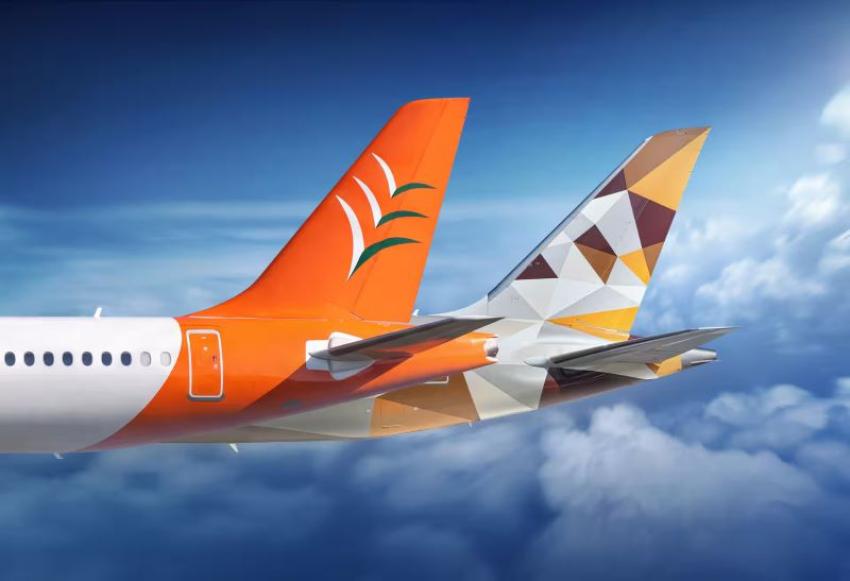
Etihad Airways and Nigerian carrier Ibom Air have signed an interline agreement that will allow passengers travelling with Etihad to connect beyond Lagos and Accra to five cities in Nigeria on a single ticket.

Tata Group-owned Air India on Monday announced that guests flying during Navratri will be served specially curated festive meals onboard its flights and at its lounges in Delhi and Mumbai.