
NITN | @notintownlive | 17 Mar 2026, 10:45 am
 Thailand Visa
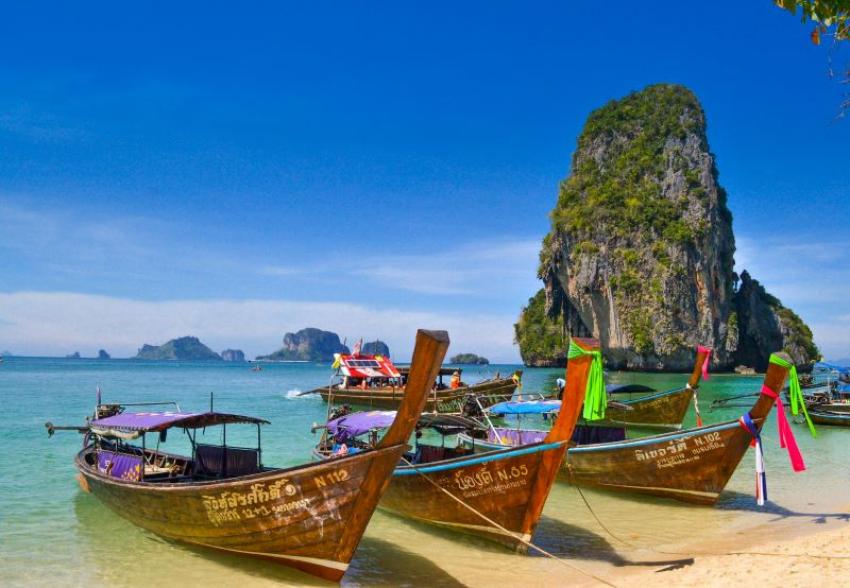
Phra Nang Beach, Krabi, Thailand. Photo: Unsplash.
Thailand has unveiled a new visa option that could make long-term living in the country easier for foreign residents. The move reflects Thailand’s growing effort to attract international visitors and investors who wish to stay for extended periods rather than short tourist trips.
With its beaches, lifestyle appeal, and established expat communities, Thailand has long been popular with travellers looking to spend months at a time in the country. The new programme introduces a structured Long-Stay Visa option tied to real estate purchases — and, in some cases, even long-term rentals.
Property Purchase Now Linked to Long-Stay Visa
In a major policy change, Thailand is allowing foreigners to obtain long-term visas through property ownership for the first time. The programme was officially launched in January 2026 and is already being implemented in practice.
Under the scheme, foreigners who purchase a condominium in Thailand can apply for a long-stay visa, provided the property meets the required value threshold.
Key conditions include:
- The property must be a condominium
- The minimum purchase value is 3 million THB (about USD 96,000)
- The option is currently available in Phuket
Once the property purchase is completed and ownership documents are issued, the visa application can be submitted at the immigration office.
The visa process works in two stages:
- First, a 3-month visa is issued
- This is then extended for another 12 months
As a result, the applicant receives 15 months of legal stay in Thailand, along with free entry and exit from the country.
After the initial period, the visa can be renewed annually for 27,000 THB (about USD 730).
Long-Term Residency Without Tourist Visas
One of the key attractions of the programme is the possibility of long-term residence without relying on short-term tourist visas.
With the annual renewal system in place, property owners can legally remain in Thailand for extended periods. In practical terms, this means individuals can continue living in the country for five, ten, twenty years or even longer.
The arrangement removes many of the common challenges faced by long-term visitors, including:
- Frequent border runs
- Dependence on tourist visas
- The risk of entry refusals at immigration
Family Members Can Be Included
The visa programme also allows close family members to be included under the same framework.
Eligible family members include:
- Spouse
- Children
- Parents
Each family member must submit a separate application. The application and annual renewal fee ranges between 25,000 and 30,000 THB (approximately USD 680–820) per person.
Long-Term Visa Also Available Through Rental
One of the major updates is that the visa is not limited to property buyers. Foreigners may also qualify through long-term rental arrangements.
Under this option, eligibility can be obtained if an individual:
- Rents an apartment or villa from 85,000 THB per month (around USD 2,300)
- Pays one year of rent upfront
- Submits the necessary supporting documents
Those who meet these conditions can also apply for the same Long Stay Visa.
Programme Currently Being Piloted in Phuket
At present, the visa programme is being tested in Phuket.
For property purchases specifically, the initiative currently works with only one developer — Sansiri, the largest property developer in Thailand.
According to the current arrangement, Sansiri provides the visa for the first year as a bonus and fully supports the application process. The company has recently launched a new residential project in Phuket located about 600 metres from Surin and Bang Tao beaches.
Current property prices in the project include:
- One-bedroom units starting from 3.8 million THB
- Two-bedroom units starting from 7.2 million THB
- IndiGo passengers get a surprise at 30,000 feet: Here's what they were asked to do
- Riyadh Airport shut until October 17 after deadly Houthi attacks
- Navi Mumbai Airport’s aviation push: TajSATS facility ready to handle rising passenger demand
- Malaysia stays visa-free for Indians through 2026, but entry rules still apply
- Singapore introduces tougher penalties for disruptive behaviour on public transport
- Etihad Rail launches passenger service between Dubai and Abu Dhabi
- New Zealand moves most visitor visa applications to enhanced online system
- Indian passport rules changed: New validity, fees for children and adults explained
- Azerbaijan makes F1 travel easier for Indian fans with visa on arrival
- Kanchenjunga Tourism Festival to showcase North Bengal’s heritage, culture, and sporting events across 3 locations



IndiGo will introduce daily non-stop flights to Udaipur from Noida International Airport and Navi Mumbai International Airport, starting October 25 and November 15, 2026 respectively.

Etihad Airways and Nigerian carrier Ibom Air have signed an interline agreement that will allow passengers travelling with Etihad to connect beyond Lagos and Accra to five cities in Nigeria on a single ticket.

Tata Group-owned Air India on Monday announced that guests flying during Navratri will be served specially curated festive meals onboard its flights and at its lounges in Delhi and Mumbai.