
20 Mar 2015, 08:10 am

During this expedition, visitors will discover the men who surpassed themselves and whose trek paved the way for scientific research in Antarctica.
Between 1911 and 1912, two explorers, the Norwegian Roald Amundsen and the British Captain Robert Scott, embarked on a gruelling race of almost 3,000 km to reach the South Pole and return to base camp on the Ross Ice Shelf.
Who would reach the South Pole first?
The exhibition allows visitors to follow the two teams, to discover their motivations and to witness their meticulous stages of preparation, which reveal their very different strategies and equipment. We learn about their life in camp, the waiting periods they endured and their parallel scientific missions.
The Norwegian team preferred dogs to pull the sledges and focused on one single objective: reaching the pole.
The English team chose ponies and carried out scientific explorations in parallel, such as the collection of unknown species.
Discover a gruelling race against the clock over several months, when each hour of the brief polar summer counted, as this was the sole meteorological window in which the elements could be braved and the limits of man’s endurance tested.
By way of example, visitors are invited to experience the resistance of snow: depending on the temperature, it either helped or hindered the teams’ progress.
Finally, the arrival at the hut displaying the victors’ flag plunges you into an atmosphere that invites both admiration and contemplation.
On the one hand, the photographs taken with stereoscopes by the victorious Norwegian team, returning to base camp 10 days in advance.
On the other hand, the English team who encountered increasingly severe hardships. Conscious of the impossibility of return, in his letters Scott paid tribute to the lucidity of his men trapped in this immense desert of ice.
The contemporary press and people from around the world would salute the Norwegian victors as well as the English, heroes in death.
The South Pole today
This race paved the way for teams of researchers and students, the only souls who have thus far set foot on this land that conceals treasures and a remarkable biodiversity. Their scientific bases have modern equipment.
- Kayaking, canoeing and water taxis bring new experiences to Kerala’s historic Muziris region
- Emirates expands in Japan with new Travel Store in Tokyo and additional Narita flights
- IndiGo passengers get a surprise at 30,000 feet: Here's what they were asked to do
- Riyadh Airport shut until October 17 after deadly Houthi attacks
- Navi Mumbai Airport’s aviation push: TajSATS facility ready to handle rising passenger demand
- Malaysia stays visa-free for Indians through 2026, but entry rules still apply
- Singapore introduces tougher penalties for disruptive behaviour on public transport
- Etihad Rail launches passenger service between Dubai and Abu Dhabi
- New Zealand moves most visitor visa applications to enhanced online system
- Indian passport rules changed: New validity, fees for children and adults explained
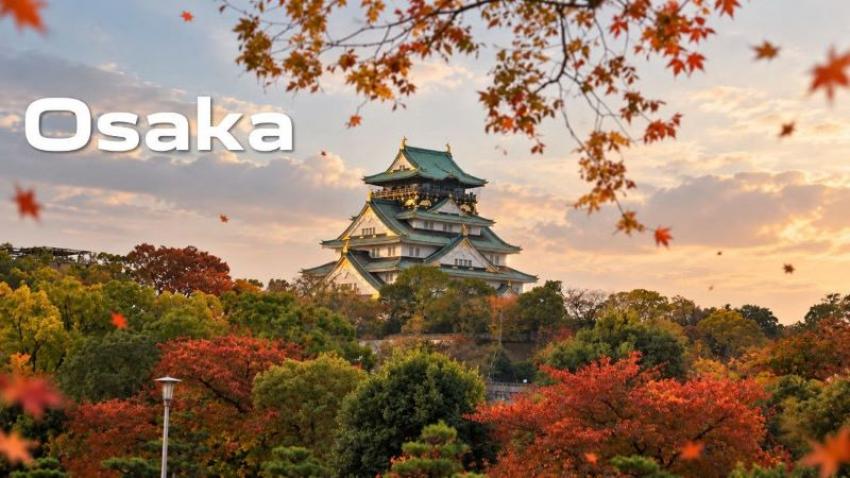
Air India will launch non-stop flights between Delhi and Osaka’s Kansai International Airport on 2 February 2027, becoming the only airline to operate on the route. The airline will run four flights a week between the Indian capital and Osaka, Japan’s second-largest metropolitan area, using Boeing 787-8 aircraft.
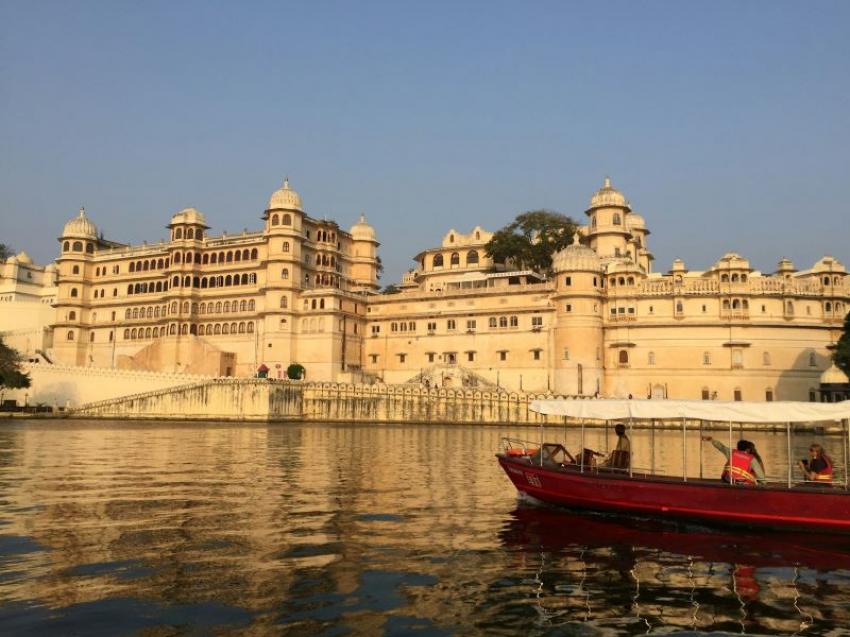
IndiGo will introduce daily non-stop flights to Udaipur from Noida International Airport and Navi Mumbai International Airport, starting October 25 and November 15, 2026 respectively.
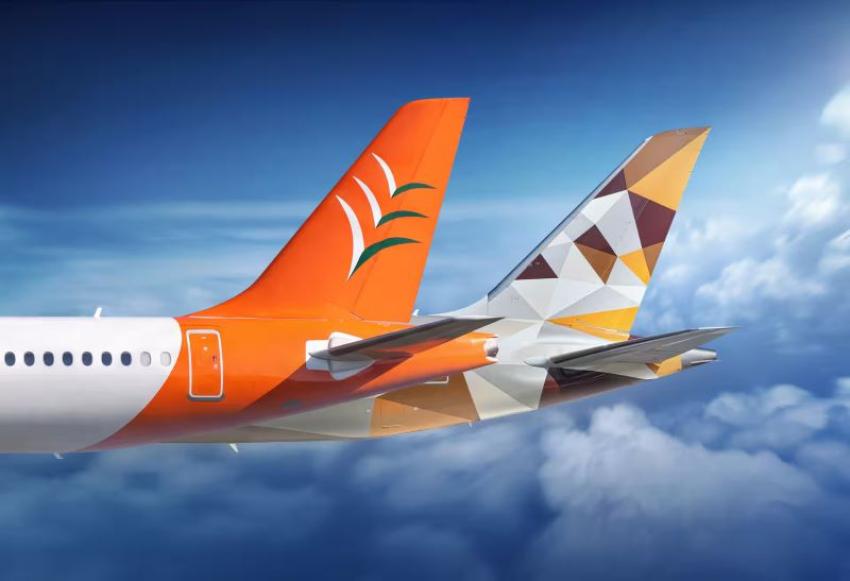
Etihad Airways and Nigerian carrier Ibom Air have signed an interline agreement that will allow passengers travelling with Etihad to connect beyond Lagos and Accra to five cities in Nigeria on a single ticket.