
News
Travel
Hotel Industry sceptical about govt's homestay plans to promote tourism
06 May 2016, 10:11 am
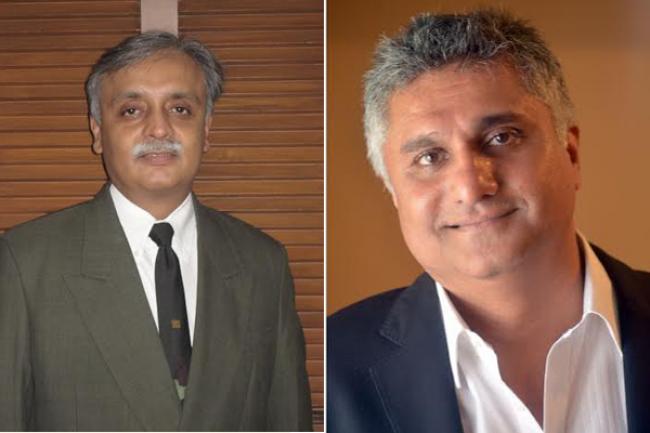
Mumbai, May 5 (NITN): The Hotel and Restaurant Association of Western India (HRAWI) has raised concerns over the government's plan to open up homestays as a way to bridge the acute deficiency of hotel rooms in the country for promoting tourism.
The proposal which may allow anyone to offer stays at their homes will have no Government intervention and not attract any kind of taxation or commercial tariffs. The hotel industry is sceptical about the outcome of such a plan as it could backfire with no assurance of guest safety and would have consequences that affect employment and tax revenues.
“In a country like India where tourism is at a nascent stage promotion of homestays at the expense of organised hospitality could spell doom. The primary problem with homestays is that there are no standardisations or categorisations. There have been multiple cases of exaggerated promises, misrepresentations, disagreements and conflicts with guests, hygiene issues and intimidations among others. Because homestays are unregulated, there are no redressal systems in place,” says Mr. Bharat Malkani, President, HRAWI & Federation of Hotels and Restaurants Association of India (FHRAI).
“In a country like India where tourism is at a nascent stage promotion of homestays at the expense of organised hospitality could spell doom. The primary problem with homestays is that there are no standardisations or categorisations. There have been multiple cases of exaggerated promises, misrepresentations, disagreements and conflicts with guests, hygiene issues and intimidations among others. Because homestays are unregulated, there are no redressal systems in place,” says Mr. Bharat Malkani, President, HRAWI & Federation of Hotels and Restaurants Association of India (FHRAI).
“Hotels are required by law to send details of foreign guests to the police station by submission of a C Form. This is a security requirement from the Ministry of Home Affairs. Homestays are not required to be compliant and the industry fears that this will become the de facto accommodation for those foreigners that seek anonymity from the Police,” he adds.
HRAWI also questioned the relevance of subjecting hotels to administrative clearances, liquor permits and other licenses while home stays providing the very same services are exempted. Homestays, functioning just like hotels do, are prevalent even today in a lot of states. However, they are unorganized and are presently limited in numbers. With the Government’s new shift in policy focusing on homestays, the dynamics are expected to change.
“The hospitality industry without homestays in Maharashtra today can generate almost Rs. 600 crores per extra night that a foreign tourist stays back to the Government as foreign exchange earnings, besides being the highest employment generator. Almost all tourist towns across the world have grown on the back of strong hospitality infrastructure and not homestays, which are brought in only as a stop gap emergency measure, as Delhi did during the Asian games, due to the three year gestation period to add new hotel rooms. The solution to growth of tourism in India is freeing the hospitality sector from red tapism and following a pragmatic taxation policy,” says Kamlesh Barot, past President, HRAWI.
“If the homestays concept does go into execution then hotels that are presently operating with the highest taxation applicable in addition to paying for utilities such as water and electricity at commercial rates are bound to be doomed. Tourism cannot afford to run or prosper without hotels and the Government will have to consider an alternate plan that can either allow hotels to operate with the same relaxations as would be given to homestays or vice versa,” concludes Malkani.
HRAWI also questioned the relevance of subjecting hotels to administrative clearances, liquor permits and other licenses while home stays providing the very same services are exempted. Homestays, functioning just like hotels do, are prevalent even today in a lot of states. However, they are unorganized and are presently limited in numbers. With the Government’s new shift in policy focusing on homestays, the dynamics are expected to change.
“The hospitality industry without homestays in Maharashtra today can generate almost Rs. 600 crores per extra night that a foreign tourist stays back to the Government as foreign exchange earnings, besides being the highest employment generator. Almost all tourist towns across the world have grown on the back of strong hospitality infrastructure and not homestays, which are brought in only as a stop gap emergency measure, as Delhi did during the Asian games, due to the three year gestation period to add new hotel rooms. The solution to growth of tourism in India is freeing the hospitality sector from red tapism and following a pragmatic taxation policy,” says Kamlesh Barot, past President, HRAWI.
“If the homestays concept does go into execution then hotels that are presently operating with the highest taxation applicable in addition to paying for utilities such as water and electricity at commercial rates are bound to be doomed. Tourism cannot afford to run or prosper without hotels and the Government will have to consider an alternate plan that can either allow hotels to operate with the same relaxations as would be given to homestays or vice versa,” concludes Malkani.
More News
- IndiGo passengers get a surprise at 30,000 feet: Here's what they were asked to do
- Riyadh Airport shut until October 17 after deadly Houthi attacks
- Navi Mumbai Airport’s aviation push: TajSATS facility ready to handle rising passenger demand
- Malaysia stays visa-free for Indians through 2026, but entry rules still apply
- Singapore introduces tougher penalties for disruptive behaviour on public transport
- Etihad Rail launches passenger service between Dubai and Abu Dhabi
- New Zealand moves most visitor visa applications to enhanced online system
- Indian passport rules changed: New validity, fees for children and adults explained
- Azerbaijan makes F1 travel easier for Indian fans with visa on arrival
- Kanchenjunga Tourism Festival to showcase North Bengal’s heritage, culture, and sporting events across 3 locations
IndiGo expands Udaipur conn ...
IndiGo will introduce daily non-stop flights to Udaipur from Noida International Airport and Navi Mumbai International Airport, starting October 25 and November 15, 2026 respectively.

Etihad Airways, Ibom Air ag ...
Etihad Airways and Nigerian carrier Ibom Air have signed an interline agreement that will allow passengers travelling with Etihad to connect beyond Lagos and Accra to five cities in Nigeria on a single ticket.
Air India adds a festive fl ...
Tata Group-owned Air India on Monday announced that guests flying during Navratri will be served specially curated festive meals onboard its flights and at its lounges in Delhi and Mumbai.