
08 Feb 2017, 08:43 am
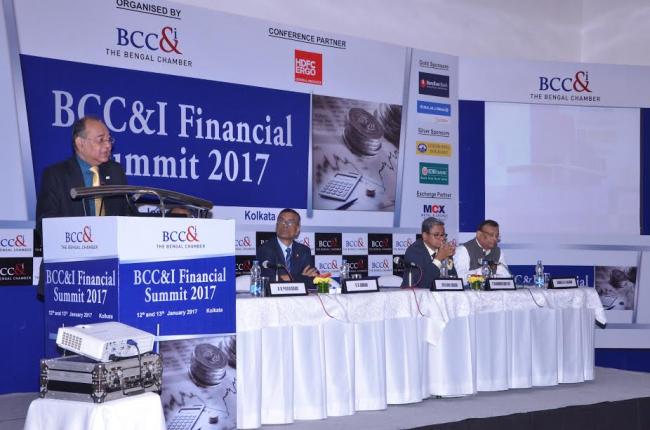
Sutanu Ghosh, President, Bengal Chamber, said that the advancements in technology have brought the mobile and internet banking services to the fore. The private banking sector is laying greater emphasis on providing improved services to their clients and also upgrading their technology infrastructure, in order to enhance the customer’s overall experience as well as give banks a competitive edge.
Key speakers included N.K. Prasad (President and CEO, Computer Age Management Services Pvt. Ltd), Asim Ranjan Parashar (Executive Director- Management Consulting, PwC), Vibhor Tandon (AVP-BD, MCX India) and Saibal Biswas (BCCI Banking and Finance Committee).
“Financial infrastructure is essential in the capital market. It is technology that helps everyone to enjoy the same benefits. For example, someone in Shillong will have the same opportunities as someone from Mumbai," said N.K. Prasad.
.jpg) Technology is also a key part of the security system. It provides seamless access to the customer to his or her records, transactions and gives identical information at all points in time. Because of this, customers feel empowered, which increases their trust and confidence in the infrastructure, he added.
Technology is also a key part of the security system. It provides seamless access to the customer to his or her records, transactions and gives identical information at all points in time. Because of this, customers feel empowered, which increases their trust and confidence in the infrastructure, he added.
Said N.K. Prasad, “The telecom industry has made a lot of progress in their own set-up, from towers to mobile technology. If 100 crore people are using cellphones, compared to that we have over 5.2 crores accounts in the mutual funds department.”
“Indian households save a lot but only a small portion of it enters the mutual fund sector, thereby the securities market. The capital market plays a big role is funnelling these savings to investments. This is a huge opportunity for us,” added Prasad.
Asim Ranjan Parashar pointed out that most investors are guided by market sentiments.
“Often an investor finds it rather daunting to analyse the innumerable parameters and variables that drive the money market. Guided by market sentiments, they often end up with no or little gain," he said.
“If someone is here to invest for a short time at this point, it is not a good time with so much of volatility, especially during the election phases. But if someone wants to invest long term, at least for two to four years, it is a good idea, with quite a few sectors doing pretty well,” he added.
.jpg) Saibal Biswas said, “Some of the economic challenges that we face in the long term are Brexit, which is still in motion and we have to see how it goes. We are also waiting to see how US policies will affect the global market."
Saibal Biswas said, “Some of the economic challenges that we face in the long term are Brexit, which is still in motion and we have to see how it goes. We are also waiting to see how US policies will affect the global market."
"From the Indian perspective, we’ve seen some economic decisions being taken recently. Inflation is expected to taper down with the RBI keeping a close watch on it," he added.
"An interest-rate situation where lending might get cheaper is present too. Digitalisation is increasing and there might be some infrastructural difficulties now. But in the long term, it will lead India to be more transparent in," Biswas added.
Talking about investment planning, Biswas said, "The biggest demon for investment planning is going to be inflation. Chasing long term dreams with short term instruments are not a right strategy.”
(Reporting by Tanushree Sen)
- Manicktala Chaltabagan Lohapatty Durga Puja Committee wins numerous Awards as ‘Nishan’ theme captures hearts
- Bengal Guv R. N. Ravi inaugurates Chaltabagan Lohapatty Durga Puja’s 84th edition ‘Nishan — The Mark’
- Sundeep Bhutoria brings Bengal’s Mahalaya to the nation in Hindi – Mahishasur Mardini ki Gatha
- VeeCycle Works Signs MoU with AP Govt for Rs 150 Cr Recycling Project in Visakhapatnam
- Kolkata culturist Sundeep Bhutoria inaugurates India National Stand at Frankfurt Book Fair 2026
- Where governments stop, institutions begin: Culture Minister Shekhawat salutes Prabha Khaitan Foundation
- National Award-winning ‘Ramnami’ puts spotlight on community behind Chaltabagan’s ‘Nishan’ theme
- Thiagarajar Polytechnic College receives Education Excellence Award for the fifth time
- Sona College of Technology's 25th graduation day: 1,325 students receive BE, BTech, ME, MCA, MBA and PhD degrees
- ‘We are the worst storytellers’: Suhel Seth on India’s failure to market itself at 'Kitaab' book launch

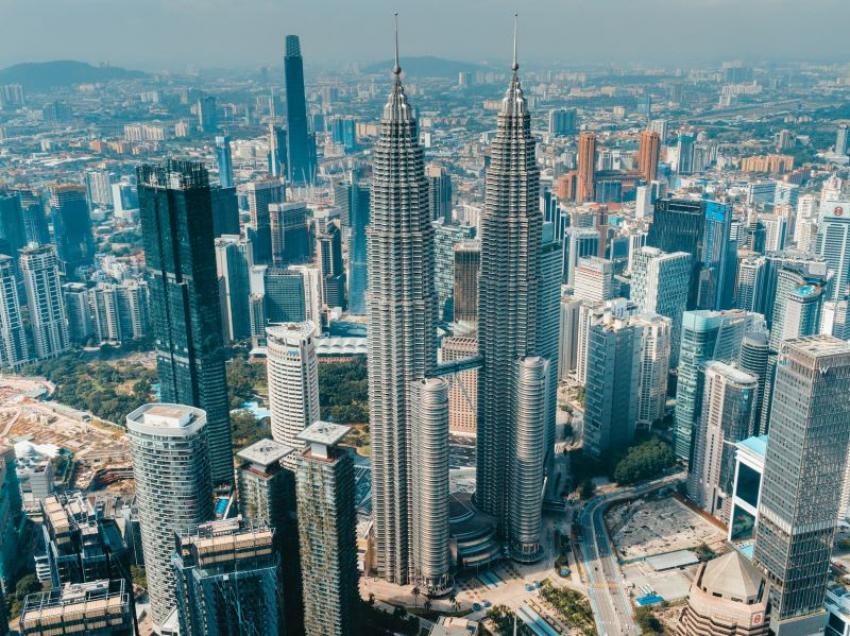
Lufthansa has launched a new nonstop service between Kuala Lumpur and Frankfurt, with the first flight operating on October 26. The route connects Malaysia’s capital with Frankfurt, one of Europe’s major aviation hubs.

Lufthansa Group is renaming its Green Fare as Impact Fare, placing greater emphasis on the contribution customers make to sustainability in aviation. The name change also reflects new regulatory requirements for environmental communication.
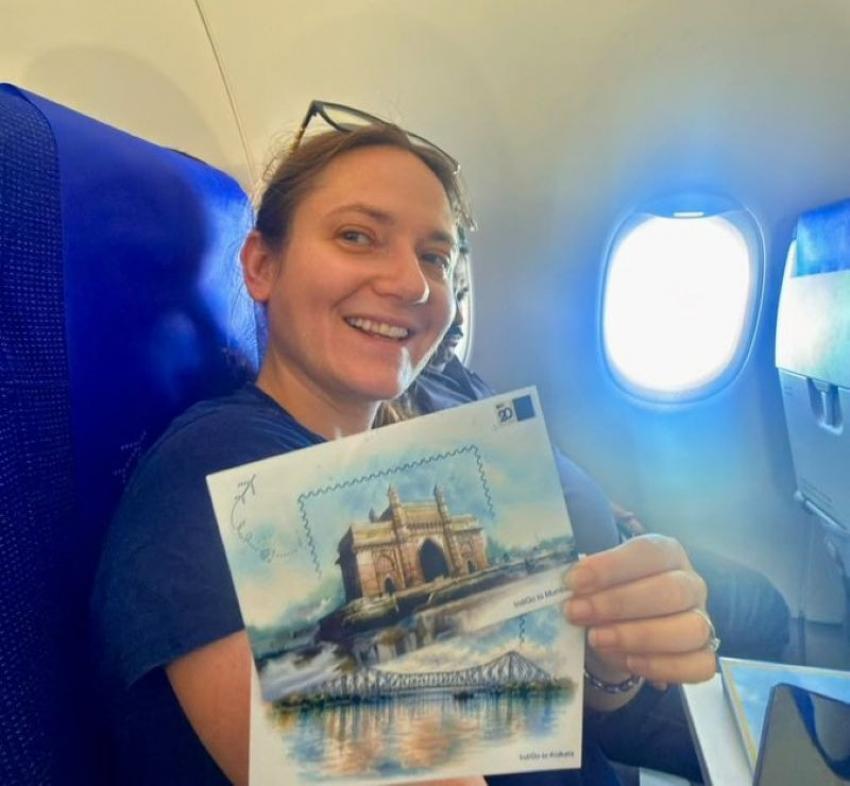
In an effort to revive the joy of handwritten communication in an increasingly digital world, the Department of Posts under the Ministry of Communications, in collaboration with IndiGo, organised a unique Digital Detox Campaign on October 12, observed as Philately Day during the ongoing National Postal Week celebrations from October 9 to 15.