
NITN | @notintownlive | 24 Feb 2026, 10:44 pm
 Overseas payments
Choosing the right currency at checkout can make all the difference while travelling abroad. Photo: Generated by ChatGPT.
Making payments overseas may appear simple — swipe a card, tap to pay, and move on. But for many Indians, small decisions at the payment machine can quietly increase expenses without them even realising it. Confusion over currency options, unfamiliar exchange rates, and assumptions about “zero forex markup” cards often lead to avoidable losses.
Understanding how foreign exchange rates are applied, who decides the conversion rate and what options to choose at the payment terminal can make a significant difference to the final amount charged. A few informed choices can help Indian travellers avoid paying more than necessary while abroad.
The INR Option Trap
It is a common situation. An Indian traveller swipes a credit or debit card at a store, restaurant, or hotel abroad. The payment machine displays two options:
- Pay in INR
- Pay in the local currency
Many travellers instinctively choose INR. It feels obvious. The amount appears in rupees, making it easier to understand the final bill. However, this is often the biggest mistake.
Even travellers who use cards advertised as having “zero forex fee” may overlook an important detail — the actual foreign exchange rate being applied. The absence of a forex markup fee does not automatically mean the exchange rate is favourable. In most cases, travellers do not check the rate at all.
Foreign exchange markets operate on what is known as the mid-market rate, which can easily be checked through a simple Google search. However, this mid-market rate is rarely what customers ultimately receive. Banks, credit card networks, and merchants usually apply a rate that deviates from this benchmark.
Who Decides the Exchange Rate?
Under normal circumstances, when a payment is made in the local currency of the country being visited, the applicable exchange rate is determined by:
- The traveller’s bank, or
- The credit card network
But the situation changes the moment the traveller selects INR on the payment terminal.
When INR is chosen as the billing currency, the exchange rate is no longer decided by the bank or credit card issuer. Instead, it is determined by the merchant’s payment processor. This practice is known as Dynamic Currency Conversion (DCC).
Under Dynamic Currency Conversion, the merchant applies a conversion rate at the point of sale. The rate selected is typically one that benefits the merchant more than the customer. In simple terms, it is usually the rate that sends more money into the merchant’s pocket rather than the one that saves money for the traveller.
Why This Can Cost More Than Expected
In some cases, the exchange rate applied under Dynamic Currency Conversion can be significantly higher than the standard forex markup fee charged by banks. While forex markup fees are clearly mentioned in credit card statements — allowing customers to see exactly what they have paid — the exchange rate applied through DCC is not transparently displayed.
The only thing visible on the statement is the final INR amount deducted. The breakdown of how that rate was calculated is not separately shown, making it difficult for travellers to assess how much extra they may have paid.
Despite this, many Indians continue to select INR on payment machines. The reason is simple — familiarity. Rupees are easier to understand. Calculating pounds, dollars, or euros mentally does not come naturally to most Indians. The comfort of seeing an INR amount often overrides the cost implications.
The Thumb Rule for Indian Travellers
The simple and effective rule for Indian travellers making card payments abroad is:
Always choose to pay in the local currency of the country you are visiting.
Paying in the local currency ensures that the exchange rate is determined by the bank or card network rather than the merchant’s Dynamic Currency Conversion system. Over multiple transactions during a trip, this choice can result in noticeable savings.
A small selection on a payment machine may seem insignificant, but understanding how currency conversion works can help Indians avoid unnecessary expenses while overseas.
- From Lotus to Bamboo Orchid: Two Indian Airports Make Prix Versailles' World's Most Beautiful List
- Flights begin at Noida International Airport — Taj Mahal day trips now easier than ever
- Flying Abroad From India? Here's How the New DigiYatra Transit System Works
- Amsterdam plans huge tourist tax hike — Visitors could soon pay up to 20 percent
- Germany waives airport Transit Visa requirement for Indian nationals from June 3
- Anand Mahindra amazed by Vande Bharat's journey across Chenab Rail Bridge
- Passengers urged to document luggage amid Canadian airport drug-tag scheme
- South Africa Goes Visa-Free for Indians, But There’s a Catch
- From War Risks to Medical Bills: Why Indian Travellers Need Better Travel Insurance
- Beyond Books – A College Street Heritage Walk to Trace Kolkata’s Literary and Academic Legacy



Tata Group-owned carrier Air India has announced the introduction of its new ‘Basic’ fare family, further strengthening its commitment to empowering customers with greater choice and control over how they travel and what they pay for.
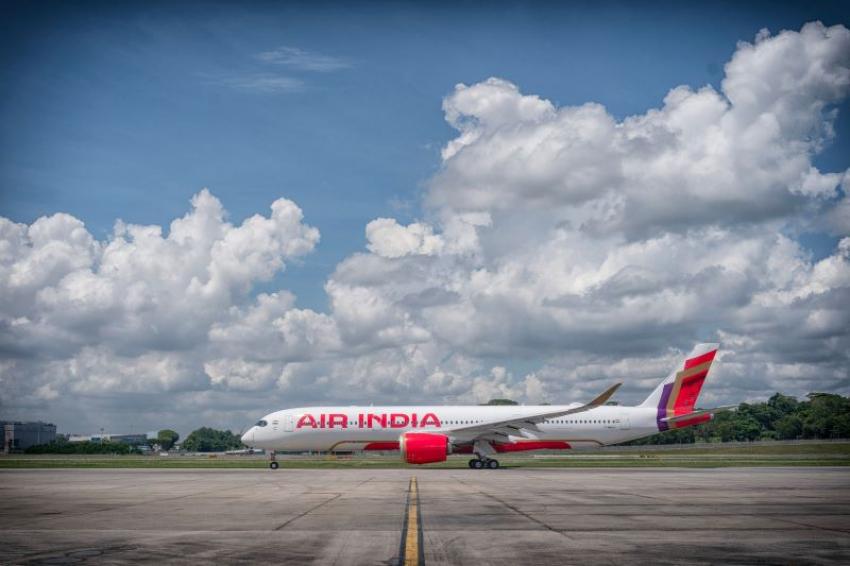
Air India has opened bookings for its first 'Easy Connect' flights under the Government of India's new hub-and-spoke model, allowing international travellers from smaller Indian cities to complete baggage drop and immigration formalities at their departure airport before connecting to overseas destinations through major hubs.

Air India and Riyadh Air have signed a Memorandum of Understanding (MoU) as they look to strengthen links between their networks and offer travellers more convenient connections between India, Saudi Arabia and destinations beyond.